

Costa Rica’s Corcovado National Park: A Biodiversity Powerhouse Worth Protecting.
Nestled on Costa Rica’s remote Osa Peninsula, Corcovado National Park is a global treasure, safeguarding approximately 2.5% of Earth’s biodiversity in just 424 square kilometers. As the largest remaining tract of primary tropical rainforest on the Pacific coast of Central America, this untouched sanctuary draws eco-conscious travelers and conservationists alike. But with tourism on the rise and development pressures looming, Corcovado now finds itself at a delicate tipping point.
A Pristine Wilderness with Tight Controls
A Living Ark of Biodiversity
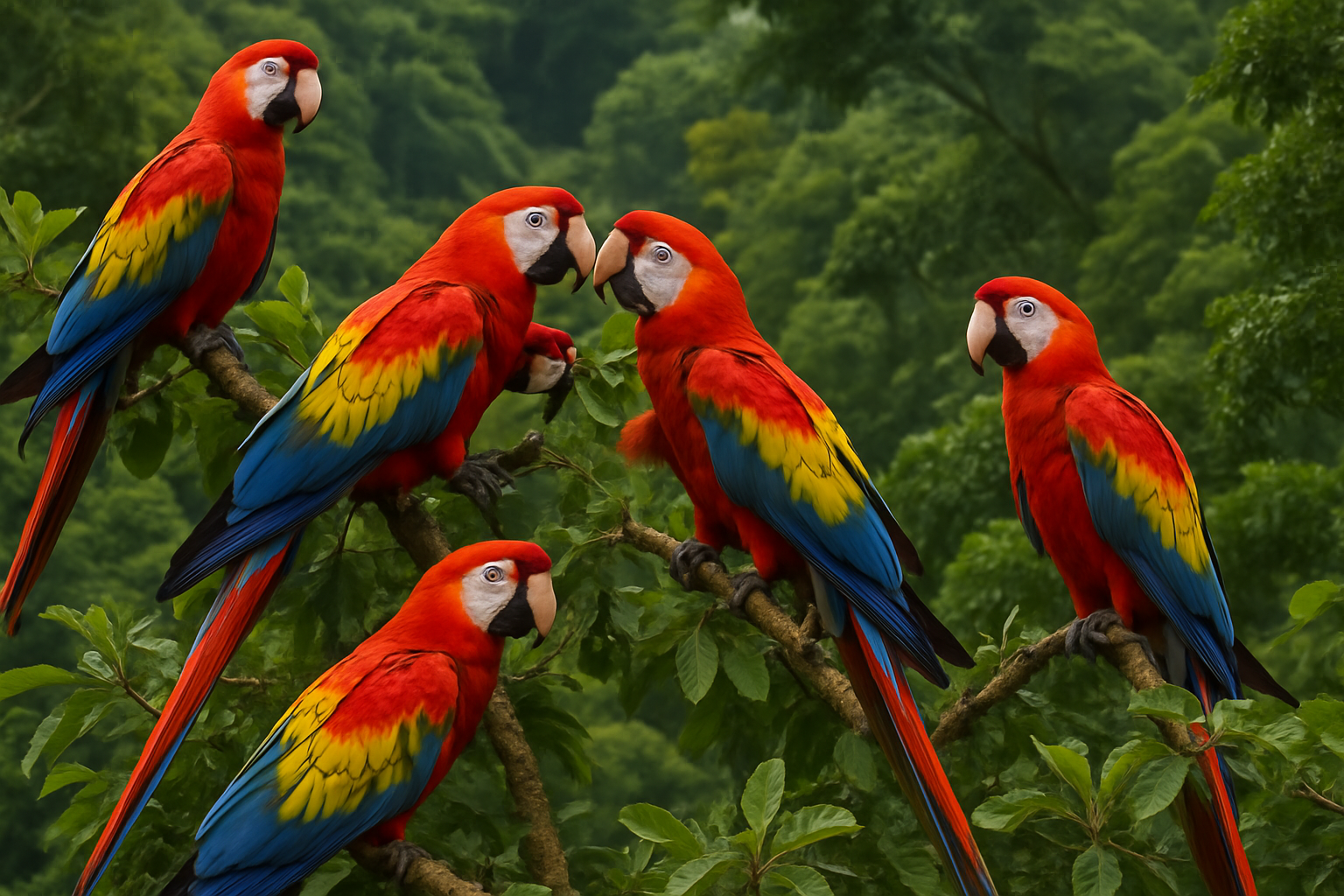
Corcovado is often described as the “crown jewel” of Costa Rica’s national parks, and rightly so. Home to over 500 tree species, 400 birds, 140 mammals, 116 reptiles, and 6,000 types of insects, this biological corridor supports endangered species like the Baird’s tapir, jaguar, and the elusive harpy eagle. The park’s unique location—wedged between the Pacific Ocean and the biologically rich Golfo Dulce—makes it a refuge where land and marine ecosystems intertwine in powerful synergy.
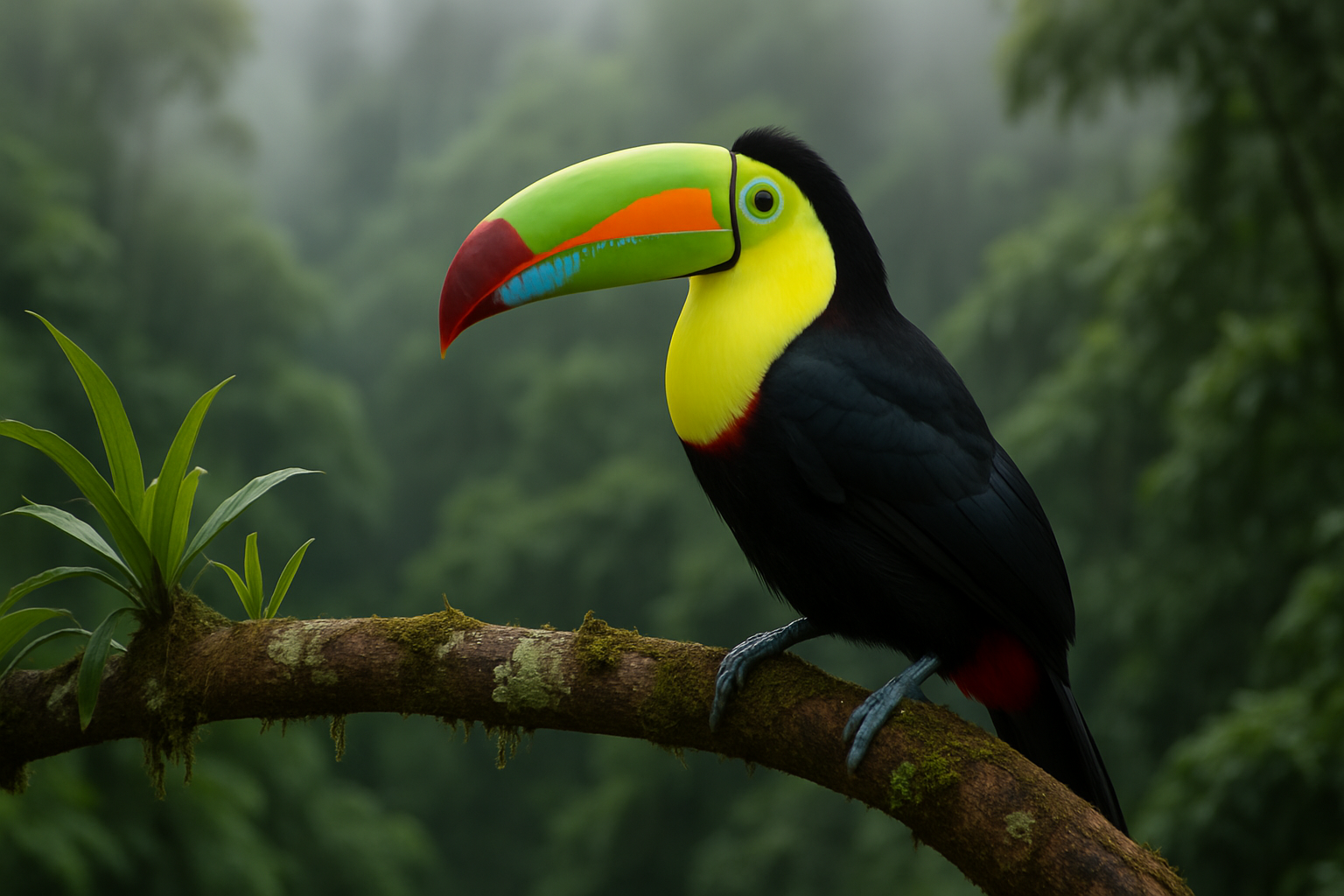
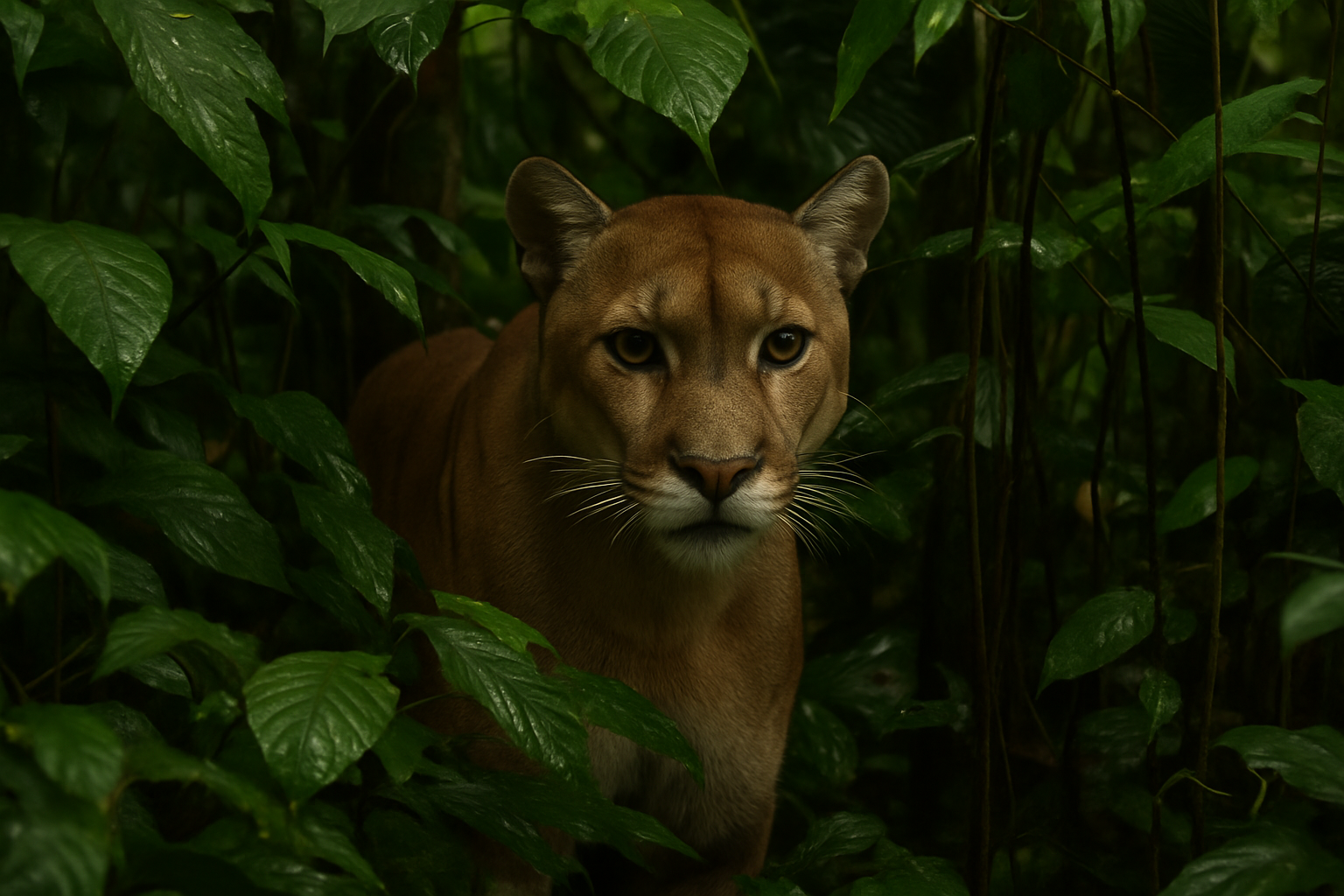
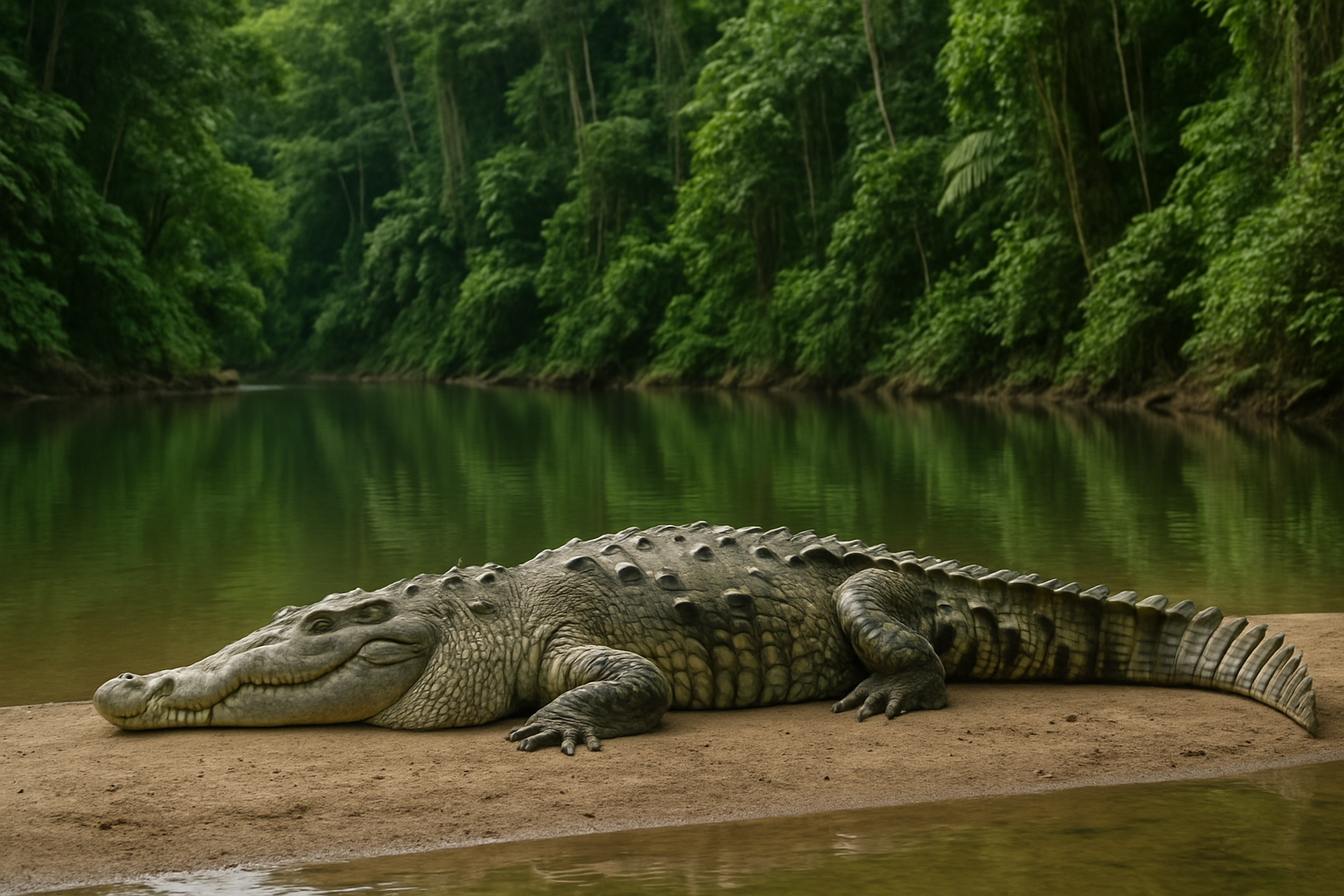
Former park ranger Danny Herrera-Badilla paints a vivid picture of this wilderness. From the chatter of toucans to the shadows of pumas, Corcovado remains both enchanting and unpredictable. “It’s not the big cats you should worry about,” he chuckles, citing venomous snakes, white-lipped peccaries, and even saltwater crocodiles among the real dangers.
A Conservation Success Story—With Caveats
Established in 1975, Corcovado will mark its 50th anniversary in 2025. Its creation was a turning point for the Osa Peninsula, which had been plagued by illegal logging, poaching, and gold mining. Since the park’s inception, forest cover has increased by 11% across the region (1987–2017), defying trends seen elsewhere in Latin America.
Ecotourism followed, attracting around 50,000 visitors annually—modest compared to other Costa Rican hotspots like Manuel Antonio or Arenal. However, concerns are mounting. A recent decision to double the daily cap on Sirena trail visitors from 120 to 240 has sparked backlash from local biologists and tour operators who fear that conservation is taking a backseat to commercial interests.
“There was no impact study. No one consulted us,” says Ifigenia Garita Canet, founder of Osa Wild. “We’ve worked hard to build a sustainable, low-impact tourism model. Changes like this undermine those efforts.”
Development Threats on the Horizon
The Osa Peninsula’s future hangs in the balance. Large-scale development projects—including a proposed international airport in Puerto Jiménez and coastal road expansion—threaten to unravel decades of conservation progress. The recent opening of Botanika, a Hilton-affiliated resort, has added to fears that corporate tourism may overwhelm the region.
As Helena Pita of Fundación Corcovado explains, “We can’t afford to rely solely on tourism. True conservation must also empower local communities.” Her organization has supported over 100 grassroots projects, from habitat restoration and ranger station construction to sustainable agriculture, environmental education, and turtle conservation programs—protecting over 640,000 hatchlings to date.
Expanding the Vision: Connecting Ecosystems
Despite the challenges, the conservation movement in and around Corcovado is gaining ground. Field data shows that flagship species such as tapirs and jaguars are now venturing beyond park boundaries into adjacent protected areas like Piedras Blancas National Park and the Golfo Dulce Forest Reserve. Organizations like Osa Conservation envision an ambitious wildlife corridor linking the Osa Peninsula to the Talamanca Mountains, creating a climate-resilient sanctuary for generations to come.
Final Reflections in the Heart of the Forest
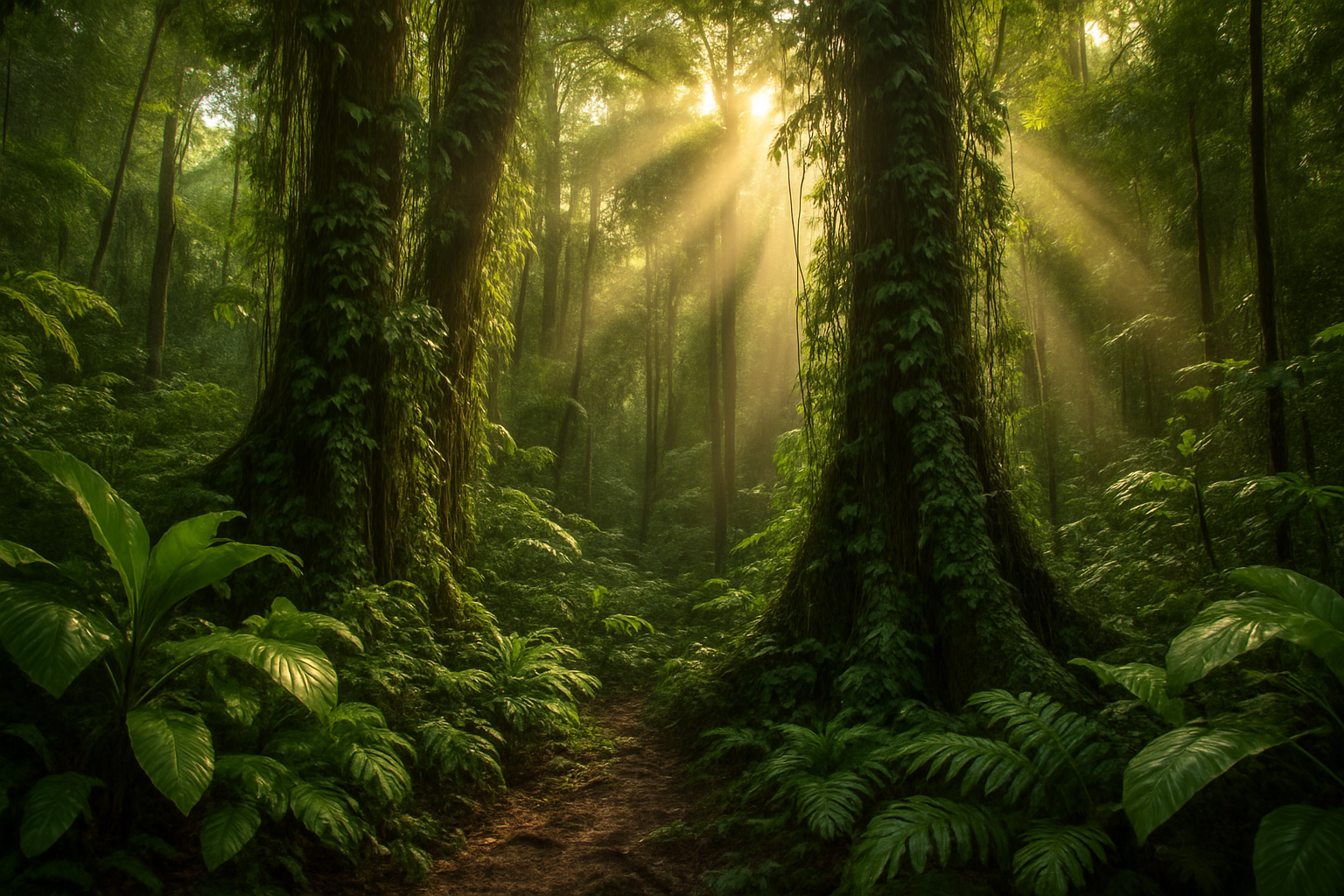
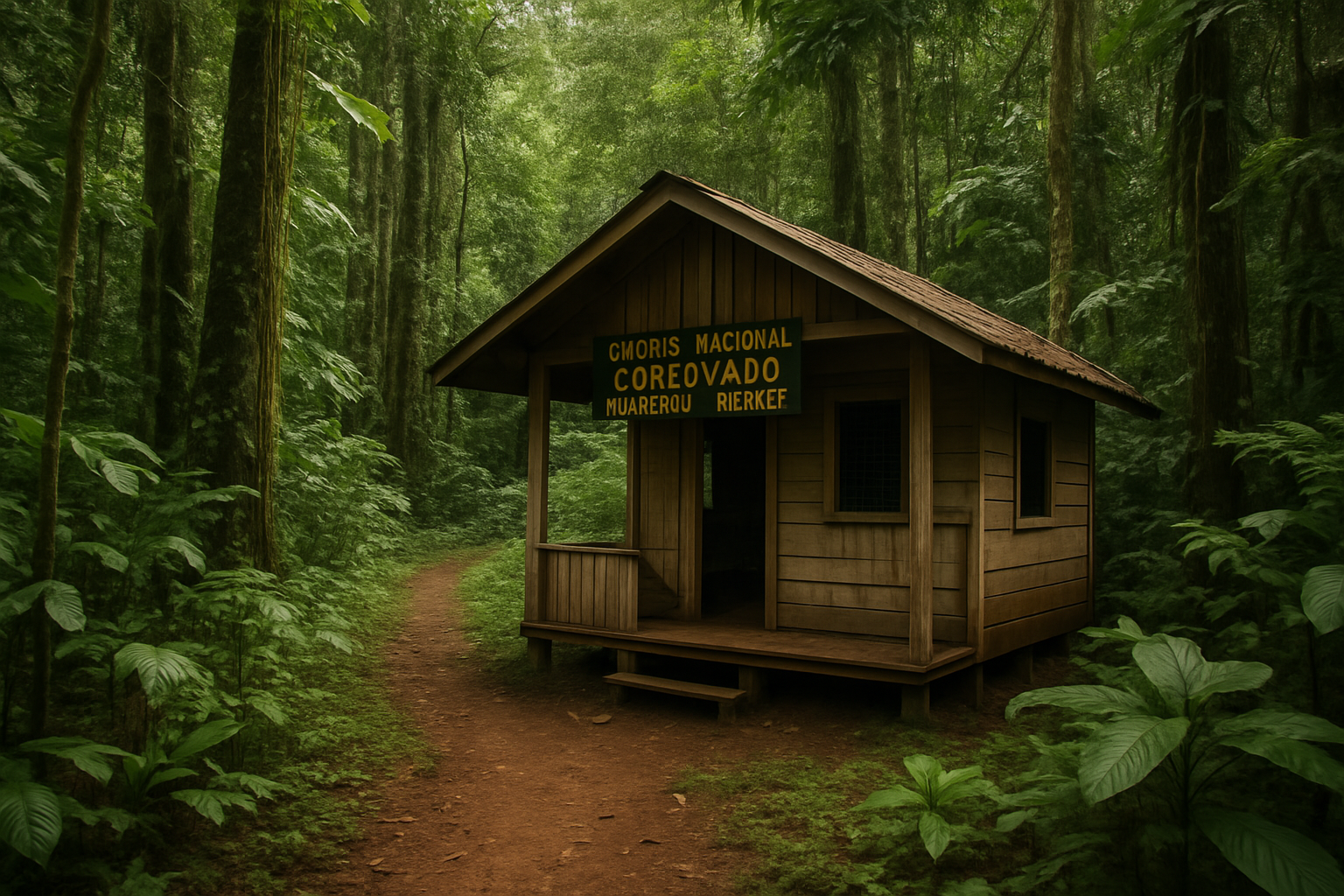
On a final trek through the park, former ranger Danillo Alvares leads the way through the forest’s cathedral-like canopy. Beneath towering ceiba trees and among the giant roots of strangler figs, the forest teems with life—from howler monkeys and blue morpho butterflies to golden orb spiders and strawberry poison dart frogs. Alvares shares stories of medicinal plants and ancient trees, underscoring how every living element plays a role in the rainforest’s intricate web.
“These trees have stood for centuries—some since before the Spanish arrived,” he says. “There’s nowhere like Corcovado on Earth. And it’s our duty to protect it.”
🌿 New Section: How to Visit Corcovado Responsibly
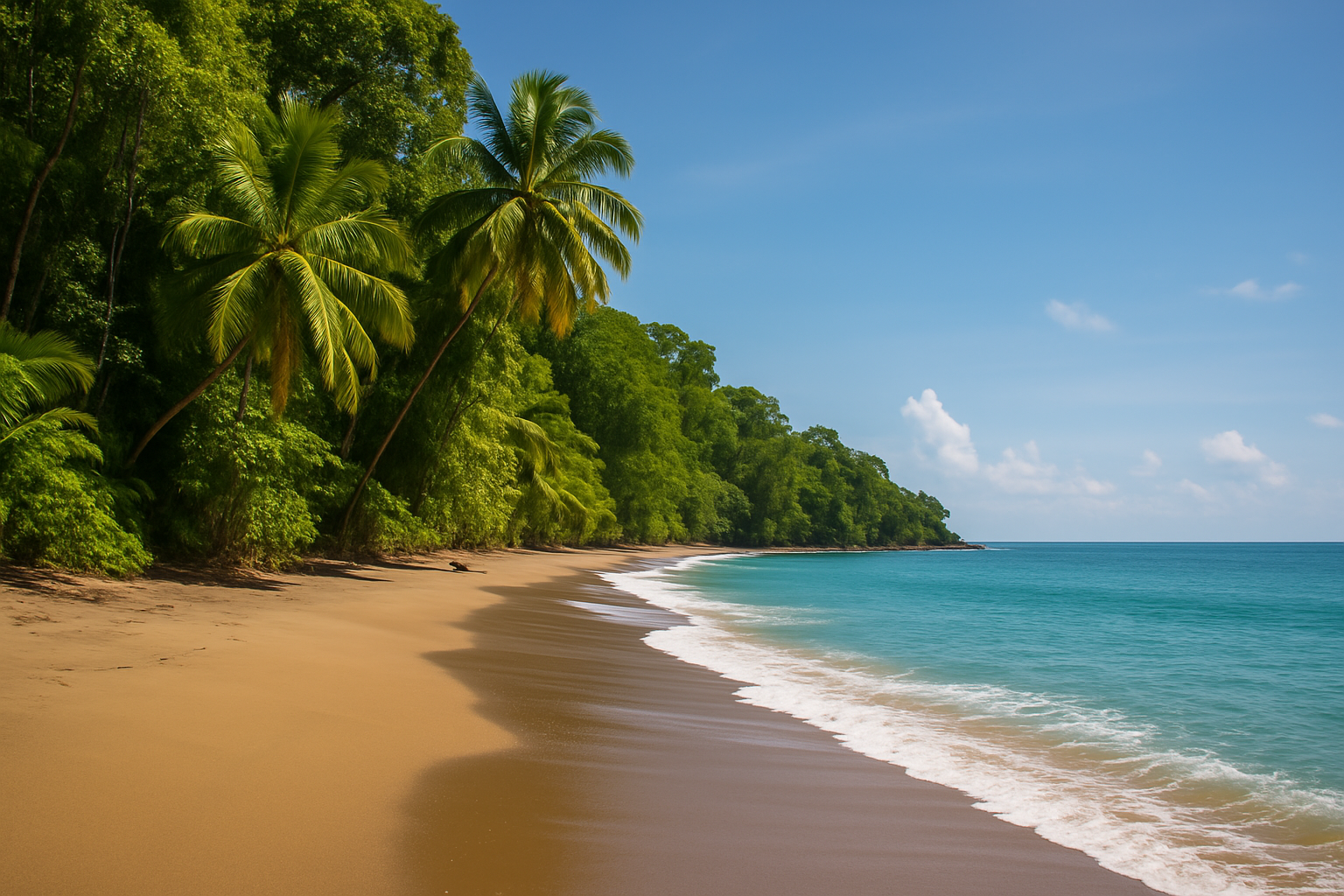
For those planning to explore Corcovado, responsible travel is essential. Always book tours with certified eco-guides and support locally owned accommodations and services. Limit your impact by following Leave No Trace principles, avoiding single-use plastics, and staying on marked trails. Consider visiting during the green season (May to November) to reduce pressure during peak months. Your choices directly influence the park’s future—and help ensure that this irreplaceable natural treasure continues to thrive.
Keywords for SEO Optimization (used throughout article):
 Deutsch
 English
 العربية
 Italiano
 Русский
 Français