

Ischia’s Hidden Roman Legacy Resurfaces Beneath the Bay of Cartaromana
Beneath the turquoise waves off the Italian island of Ischia lies one of the Mediterranean’s most captivating underwater archaeological sites: the long-lost Roman settlement of Aenaria. Once thought to be a myth, this ancient city is now transforming Ischia’s historical narrative, drawing travelers and historians alike to explore its submerged wonders. As underwater excavations continue to reveal mosaics, amphorae, and maritime relics, Ischia is fast becoming a key destination for heritage tourism and historical diving experiences.
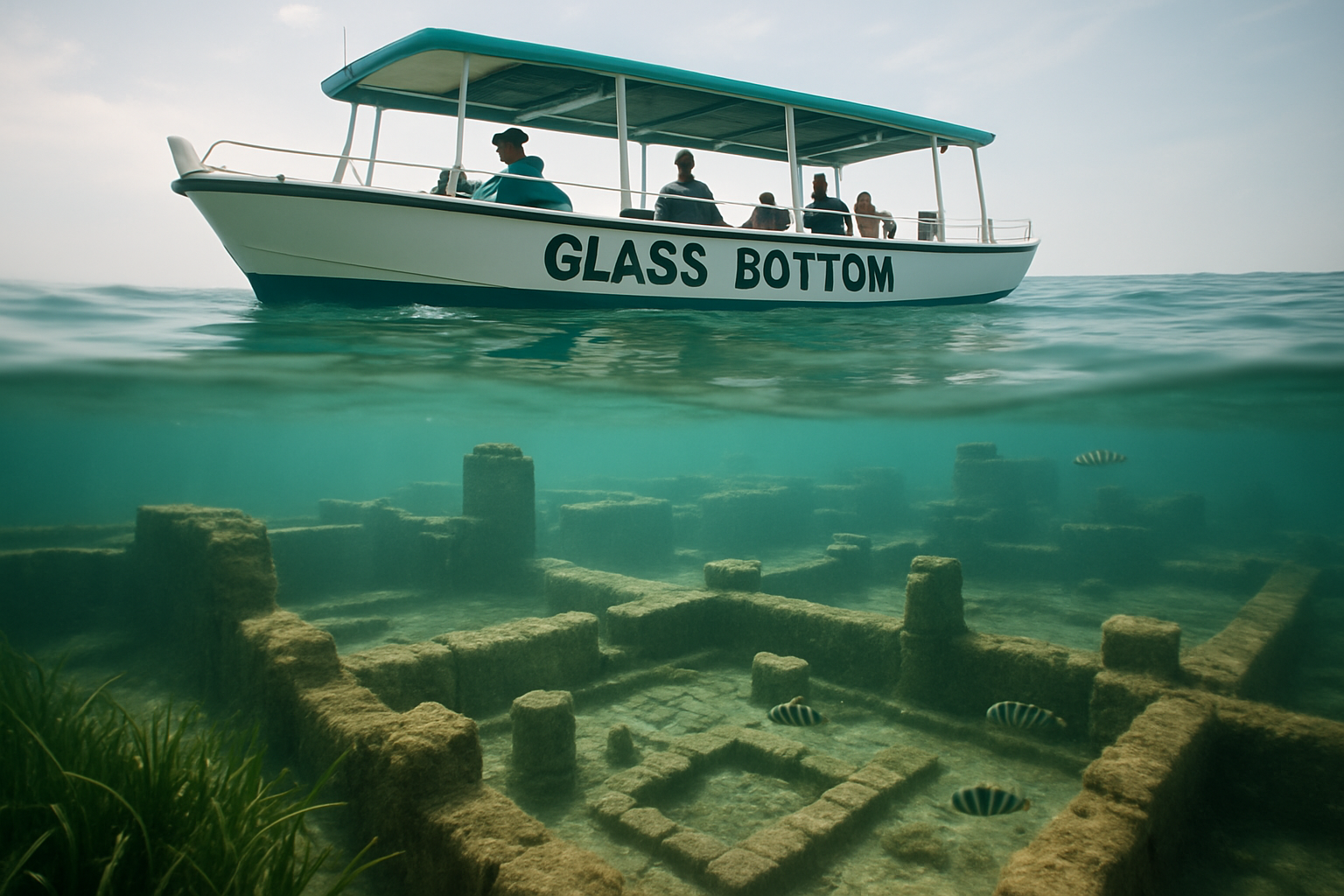
A City Lost to the Sea for Millennia
Nearly 2,000 years ago, a catastrophic volcanic eruption from the Cretaio volcano sent shockwaves through the Bay of Cartaromana, believed to have swallowed Aenaria whole. Unlike the famously documented Mount Vesuvius eruption in AD79, which buried Pompeii, Aenaria’s demise went unrecorded — its story hidden beneath sediment and volcanic debris until the 1970s, when divers stumbled upon Roman-era artefacts.
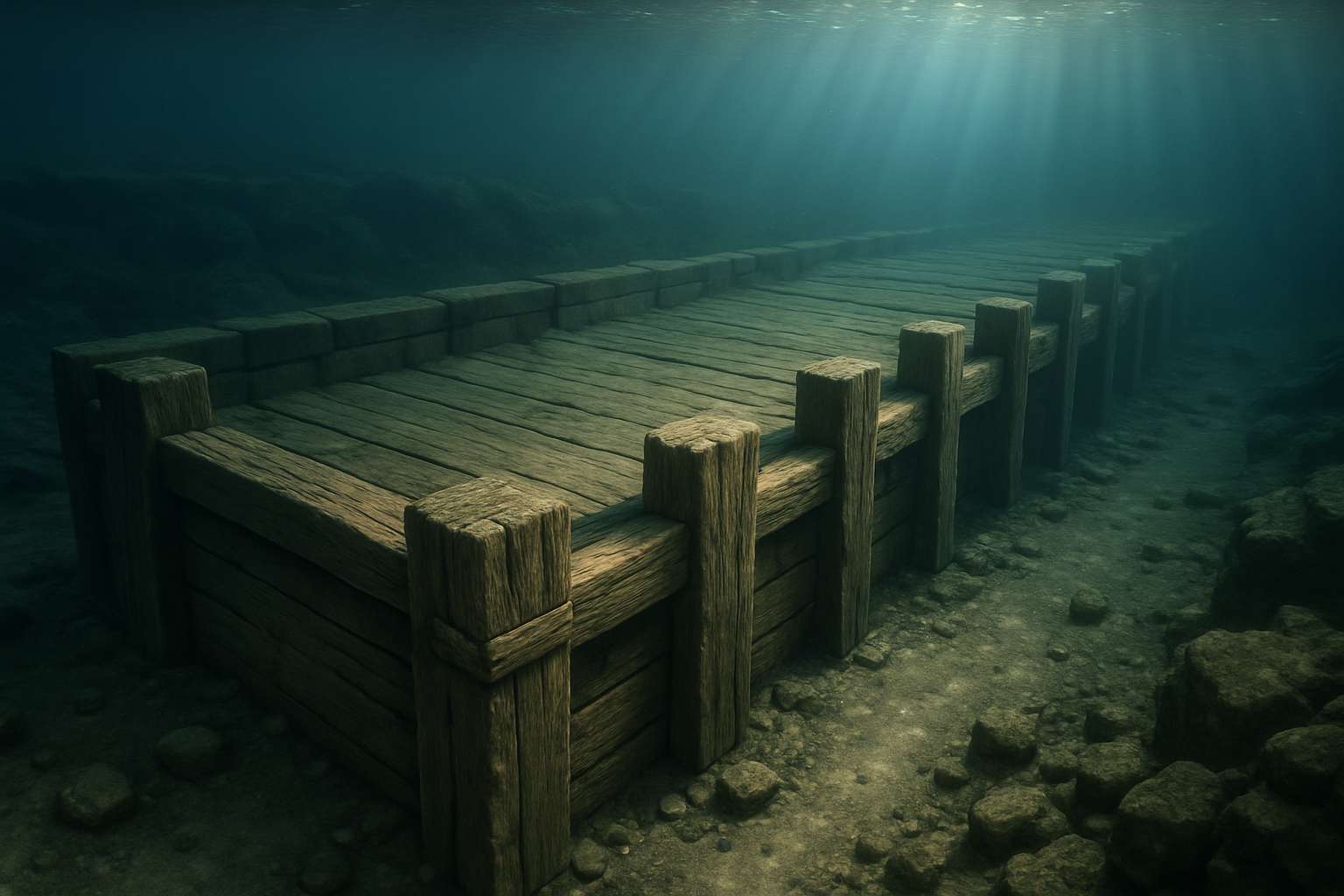
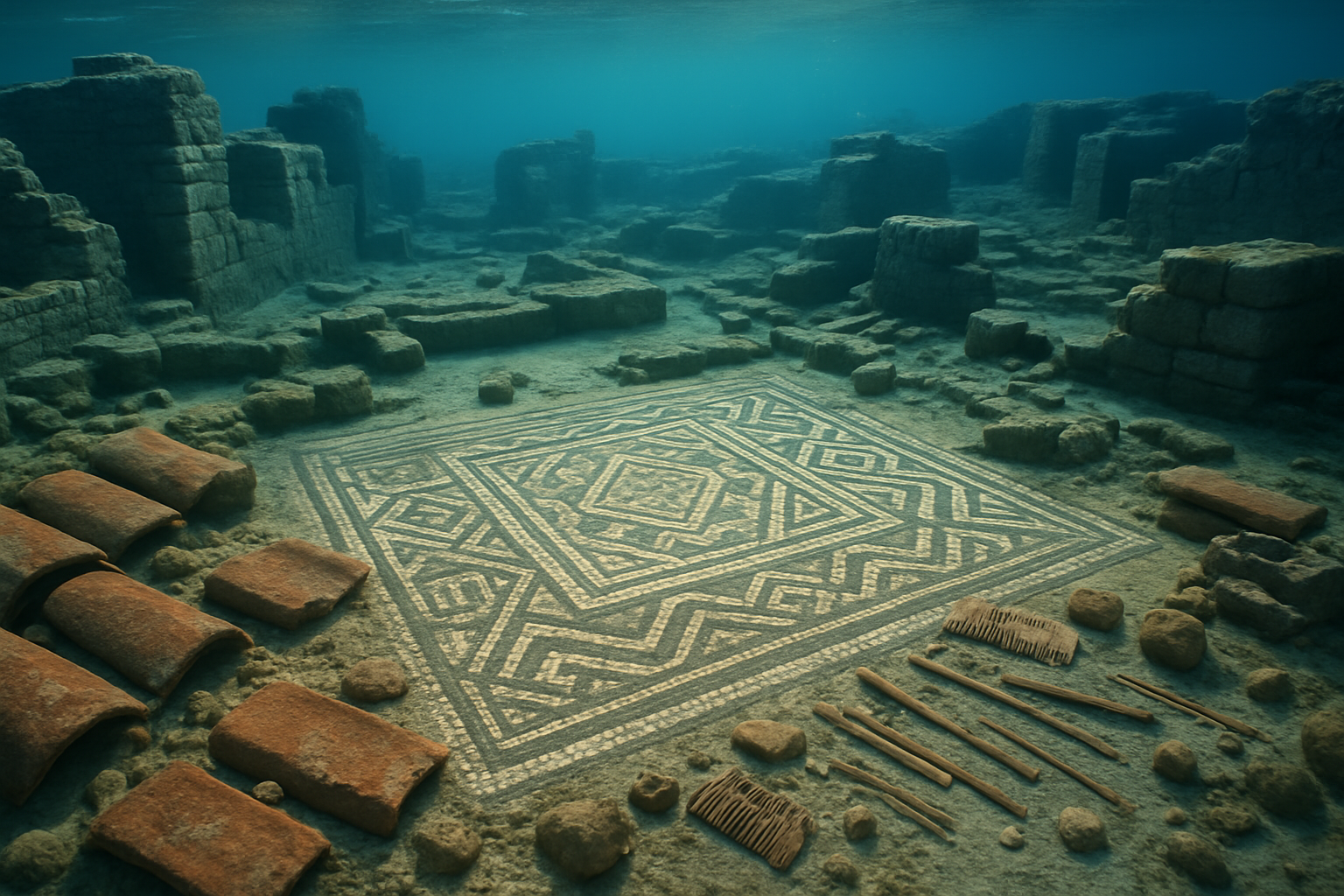
Yet it wasn’t until 2011 that renewed interest, driven by passionate local seafarers and archaeologists, led to the rediscovery of this submerged city. Digging just two meters beneath the bay’s seabed, researchers uncovered a Roman quay, villa remains, coins, pottery, and even a shipwreck — all immaculately preserved.
Redefining Ischia’s Ancient Identity
Traditionally known as Pithecusae, Ischia was celebrated as the first Greek colony on the Italian peninsula, famed for its volcanic hot springs and wellness traditions. When the Romans arrived around 322 BC and renamed the island Aenaria, most scholars believed their presence was minimal due to the island’s volcanic instability.
However, recent discoveries challenge this view. Excavations have revealed not only a functioning Roman port but also elements of a vibrant community — including tools, domestic objects, and villa architecture. These findings suggest Aenaria was more than just a stopover point; it was a strategic Roman hub integrated into Mediterranean trade routes.
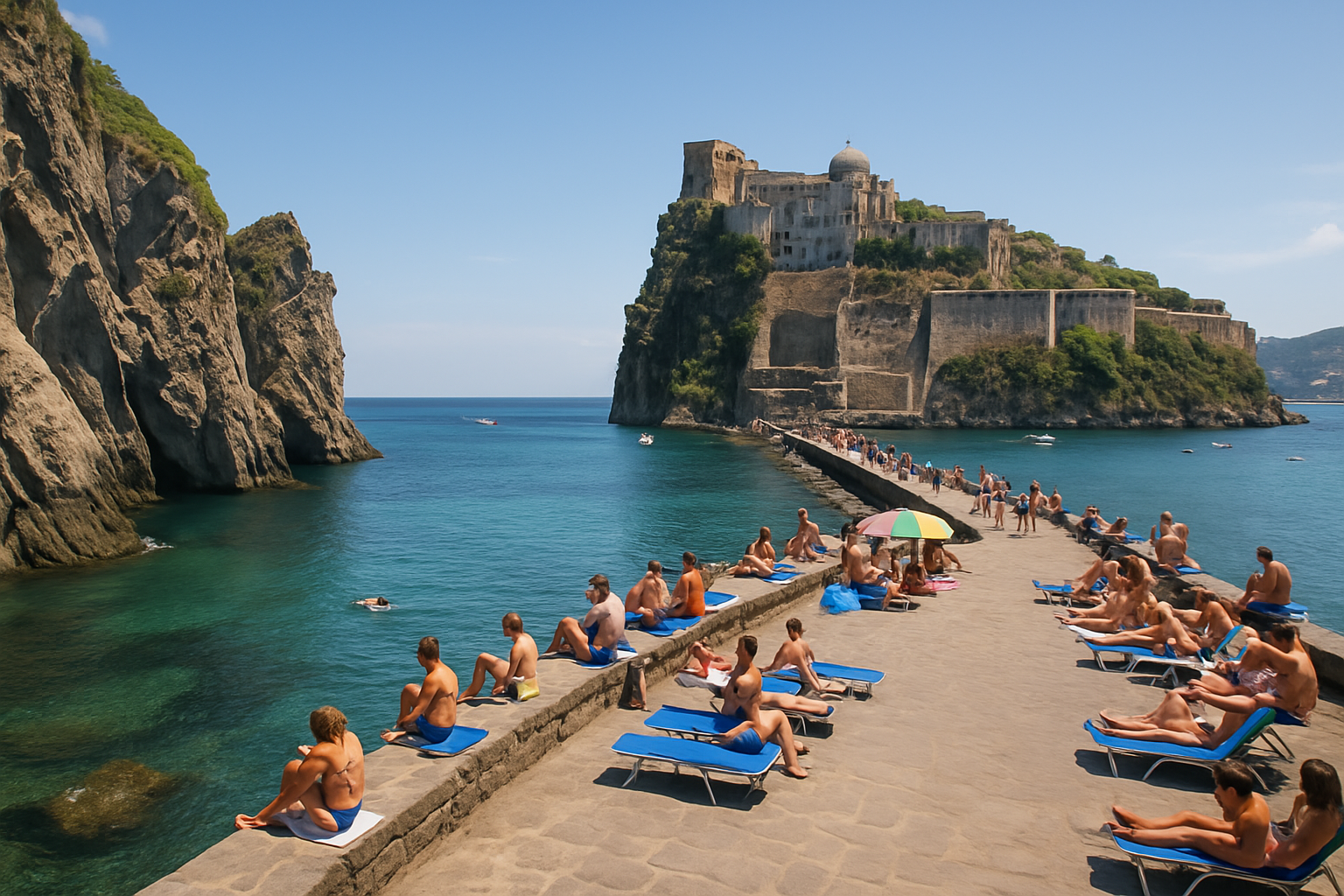
Exploring the Sunken Ruins Today
From May to October, visitors to Ischia can now experience this submerged heritage firsthand. Glass-bottomed boat tours, snorkeling, and scuba diving excursions offer a glimpse into the ruins, where archaeologists continue to uncover artefacts every season.
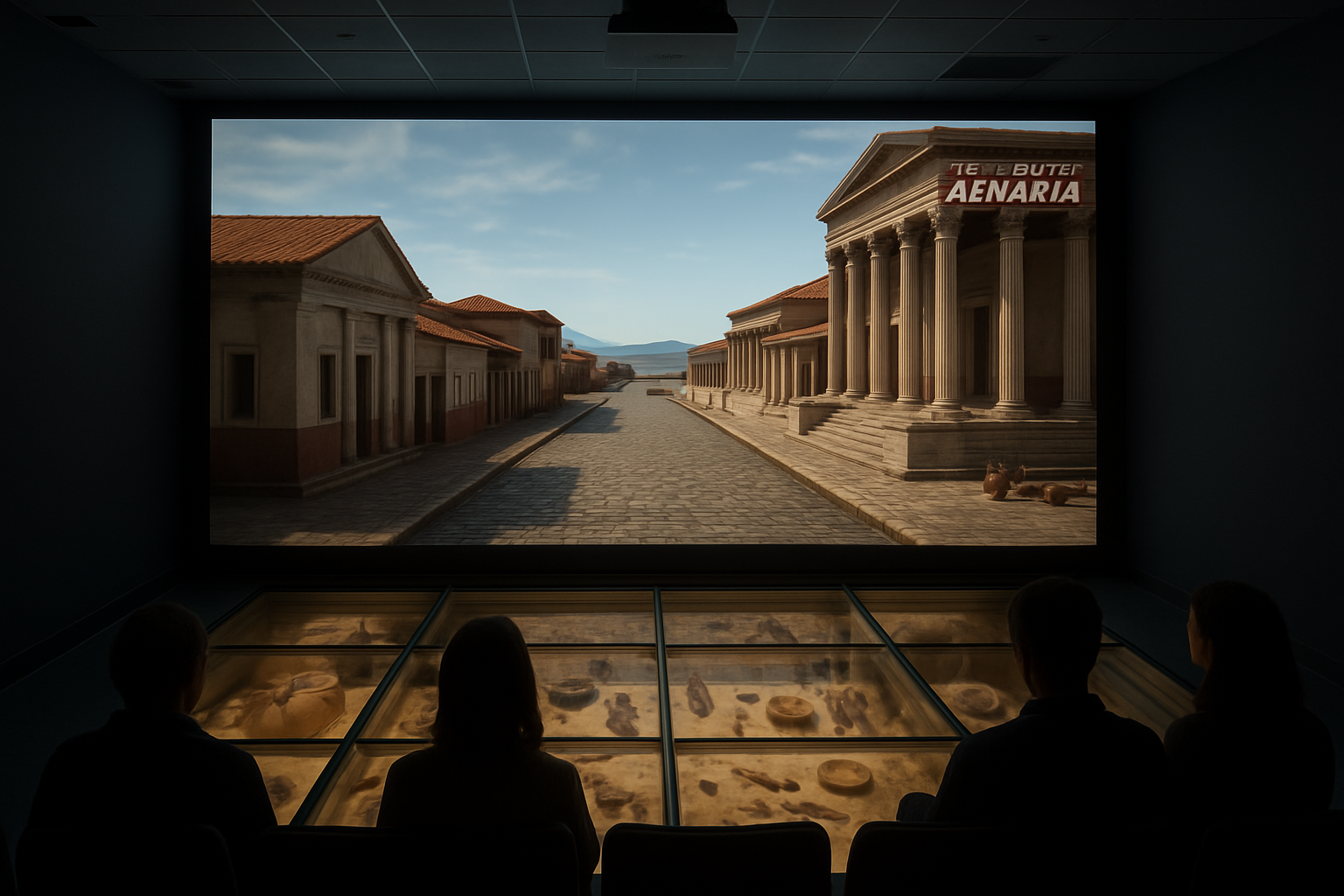
Inside the Marina di Sant’Anna cultural center — founded by local resident Giulio Lauro — tourists can view 3D reconstructions of the city and walk across glass floors displaying ancient oil lamps, mosaic fragments, and Roman building materials.
The archaeological team, led by Dr. Alessandra Benini, faces challenges due to limited funding and seasonal access. Still, the site’s popularity is growing, offering an exciting new layer to Ischia’s tourism industry and cultural identity.
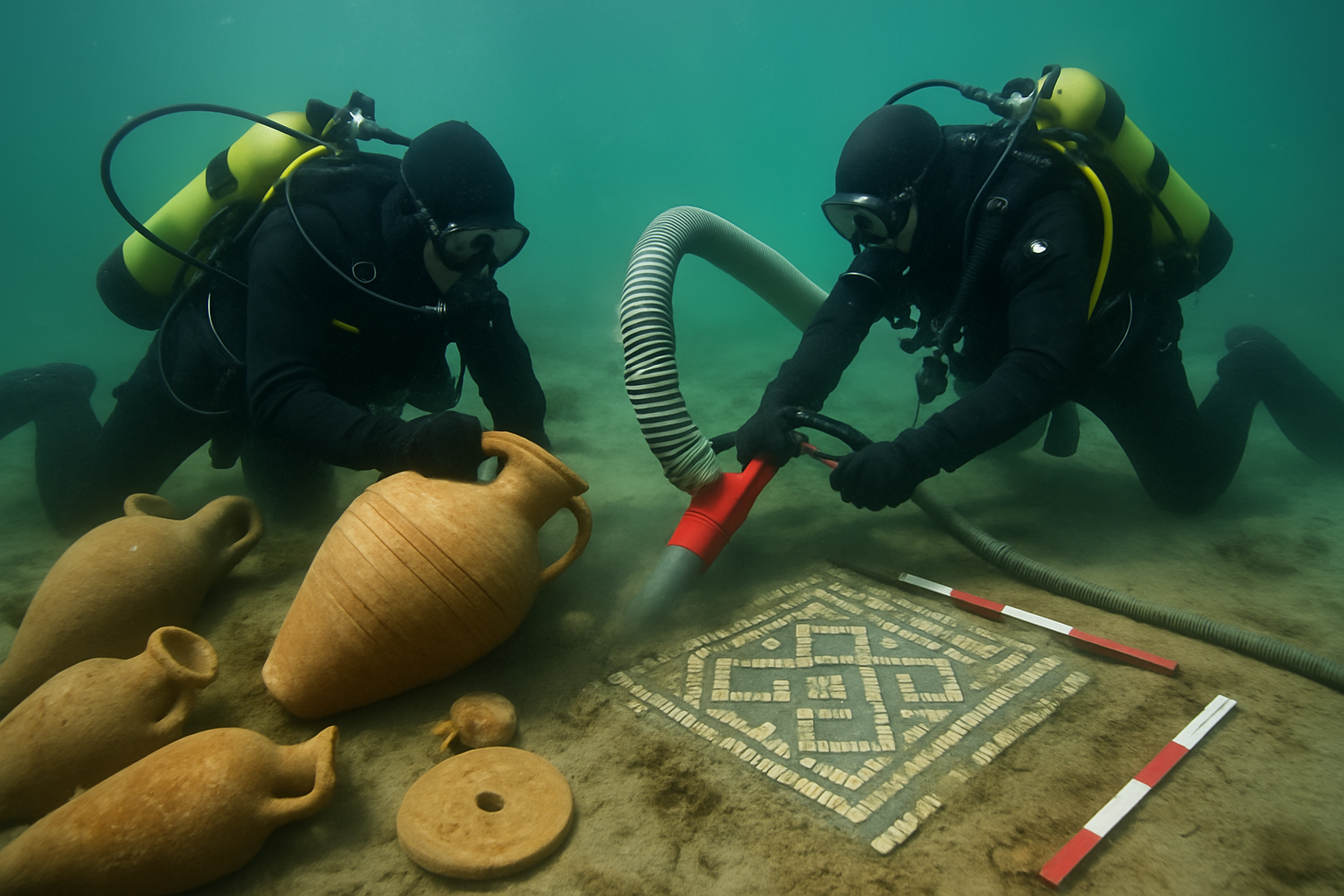
New Discoveries Expand Aenaria’s Reach
In 2020, the discovery of a Roman shipwreck added another dimension to Aenaria’s significance. Bronze naval gear and sling bullets indicate that the port may have served as a military outpost, overseeing traffic in the Gulf of Naples. Meanwhile, amphorae from as far as the Levant and Spain reveal the city’s vast trade connections, positioning it as a key node in Rome’s maritime economy.
Radiocarbon dating places the quay between 75 BC and AD 30, further affirming Aenaria’s strategic role during a critical period of Roman expansion. Dr. Benini hopes that future excavations — potentially using advanced tools like Lidar and Georadar — will uncover the residential foundations of the city and complete the picture of life in Roman Ischia.
Conclusion: A Living History Beneath the Waves
What was once dismissed as legend is now reshaping the cultural landscape of Ischia. Thanks to the efforts of local pioneers and committed archaeologists, Aenaria has reemerged as a tangible connection to Rome’s maritime legacy. As funding and awareness grow, this underwater city may soon offer even more secrets from the deep — reminding us that history is often closer than we think, sometimes just beneath the surface.
New Verified Section: The Importance of Underwater Cultural Heritage
Aenaria’s rediscovery highlights the broader importance of underwater archaeology in preserving lost civilizations. According to UNESCO, more than 3 million shipwrecks and submerged cities lie scattered across the oceans, many under threat from looting, climate change, and neglect. Ischia’s initiative — driven by community passion and scholarly dedication — stands as a model for sustainable heritage tourism that both educates and inspires.
 Français
 English
 العربية
 Italiano
 Deutsch
 Русский