

A Devastating Loss in Grand Canyon National Park.
In July 2024, the legendary Grand Canyon Lodge—a treasured gem nestled on the remote North Rim of Arizona’s Grand Canyon National Park—was tragically lost to the Dragon Bravo Fire. This fast-moving wildfire has scorched over 11,000 acres of pristine wilderness and remains fully uncontained. But beyond the flames and forest loss, this fire destroyed something irreplaceable: a historic sanctuary that captured the hearts of nature lovers, rangers, and adventurers from around the world.
While 5 million people visited Grand Canyon National Park in 2024, fewer than 10% ventured to the secluded, cooler North Rim—an area beloved for its sweeping vistas, towering pine forests, and unm nearlyatched tranquility. For those who made the five- to seven-hour journey from cities like Las Vegas, Flagstaff, or Salt Lake City, the Grand Canyon Lodge was more than just a place to rest. It was the final destination, perched dramatically at 8,000 feet near Bright Angel Point, offering panoramic views that defied description.
An Architectural Icon Amidst Rugged Beauty.
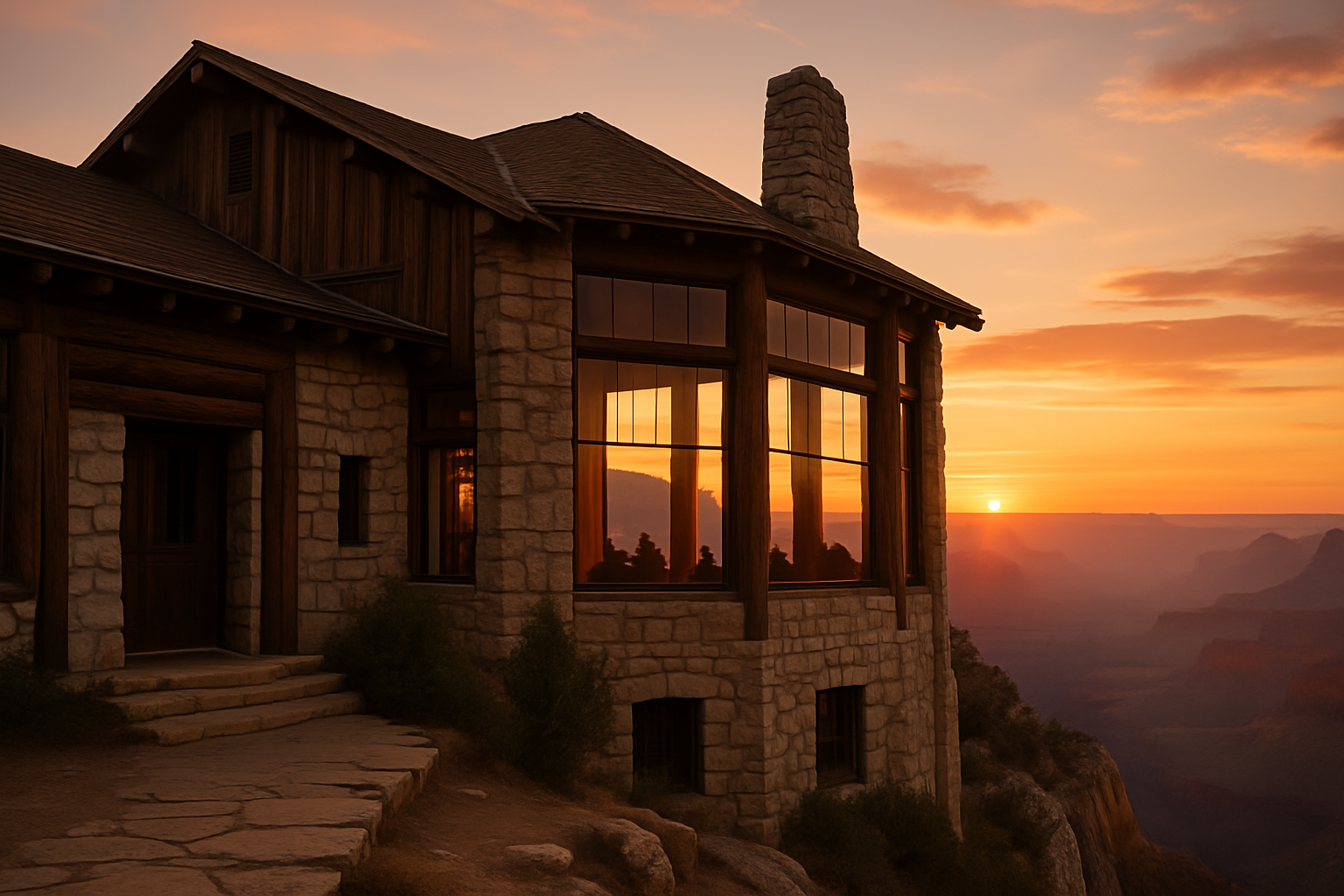
Originally designed in 1928 by the renowned architect Gilbert Stanley Underwood, the Lodge was a masterpiece crafted from Kaibab limestone and ponderosa pine. Though it was destroyed by fire just four years later in 1932, it rose from the ashes in 1937—an enduring symbol of rustic elegance and resilience. Visitors found more than shelter here—they found awe.
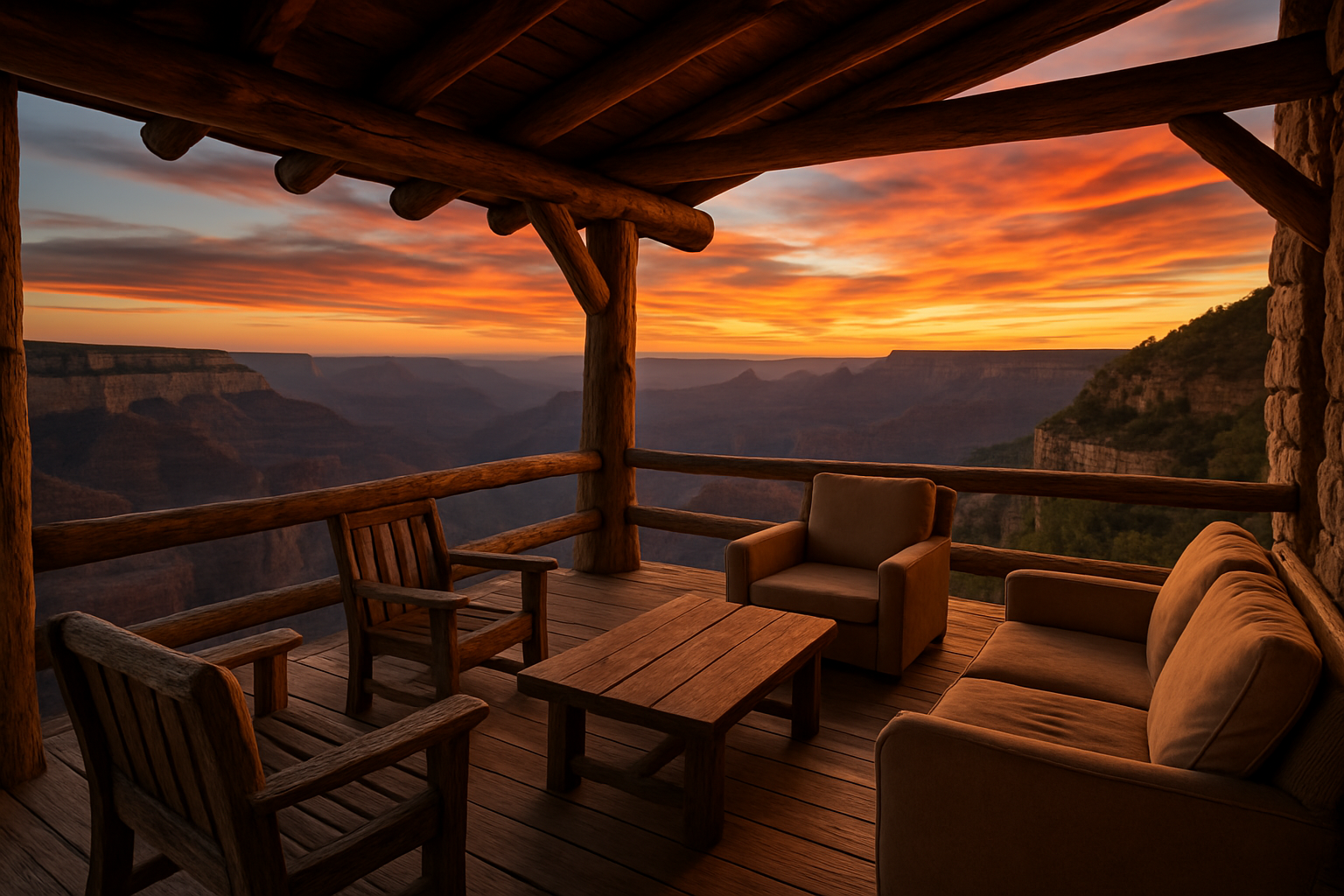
Imagine stepping into a grand lodge with massive timber beams and panoramic windows overlooking one of the world’s greatest natural wonders. Imagine lounging on a stone patio with views that stretched deep into geological time, catching golden sunsets that drenched the canyon walls in firelight. That surreal beauty—the contrast of earthy textures with infinite horizons—defined the Grand Canyon Lodge experience.
A Wilderness Community Rooted in the North Rim.
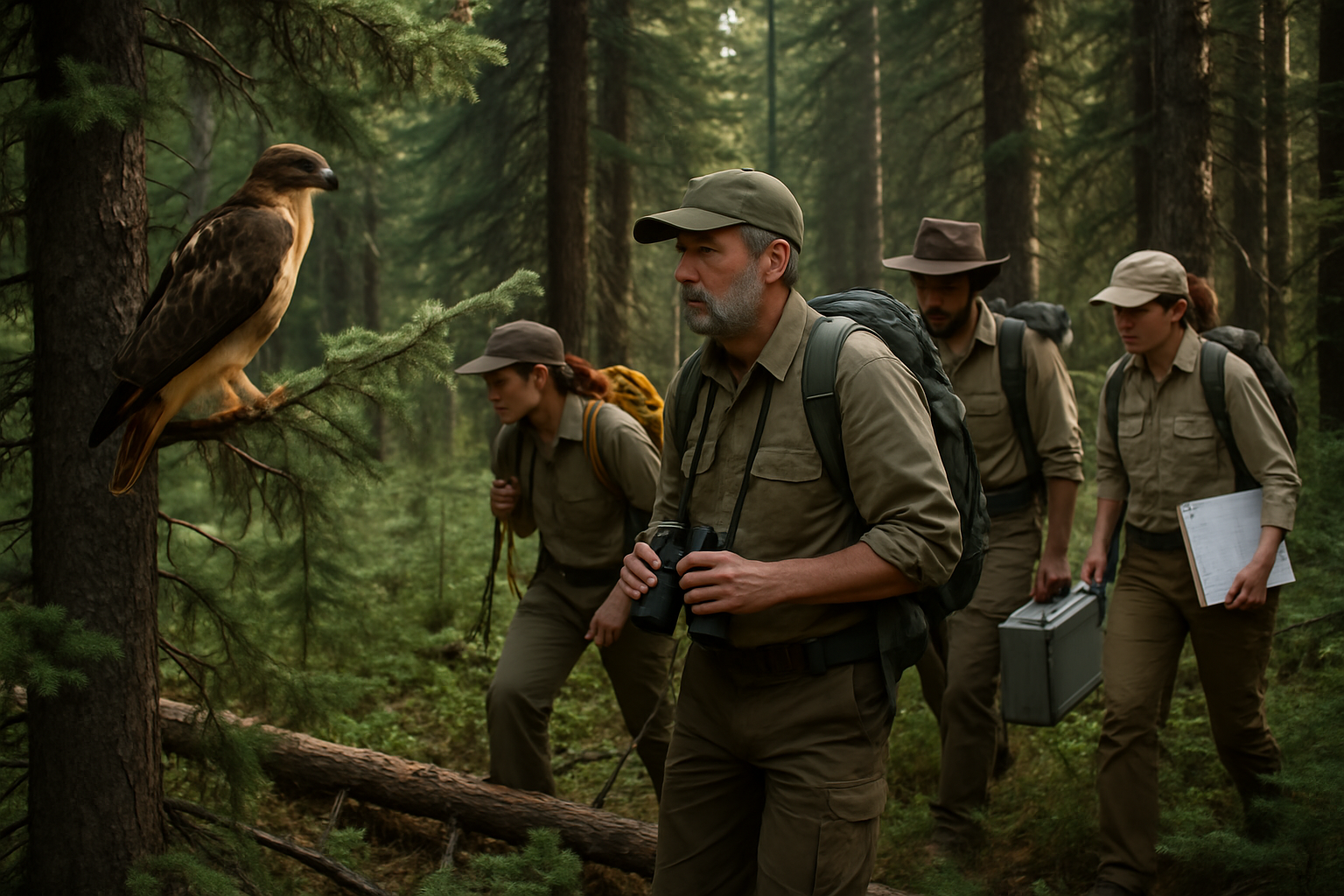
For a group of U.S. Forest Service raptor scientists like myself and my friends—Mike, Ally, Zak, Jeff, Tara, Richard, and others—the Lodge wasn’t just a scenic marvel. It was a symbol of community. We lived rugged lives, working from a remote field station 40 miles down washboard dirt roads, tracking hawks, mapping nests, and collecting vital data across the Kaibab Plateau.
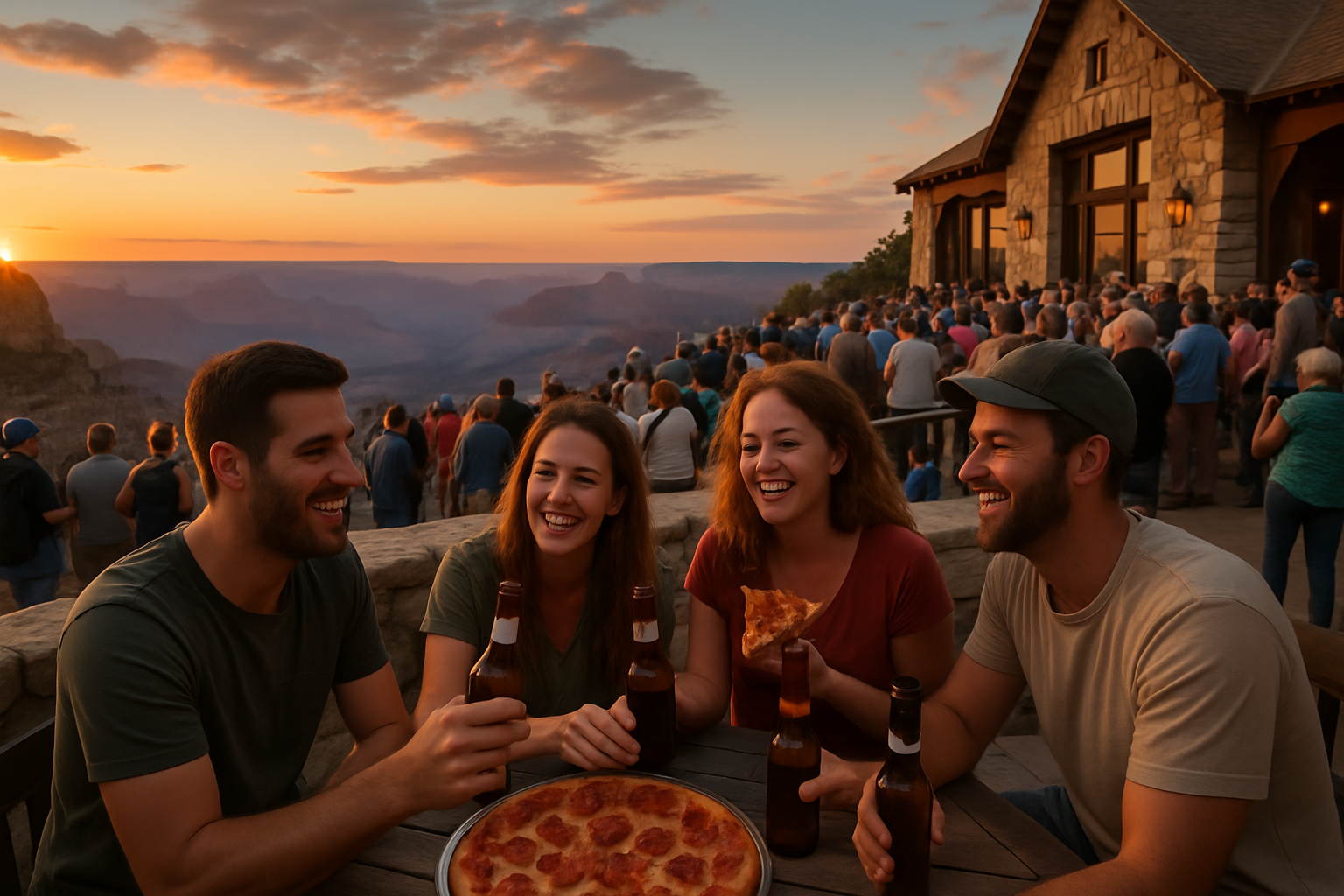
Our lifestyle was minimalist—mornings with coffee in dusty sleeping bags, days spent bushwhacking through remote wilderness. And yet, even eco-minded purists crave a slice of civilization now and then. The Lodge, with its cold beers and hot pizza, was our clubhouse. A National Historic Landmark, it brought us together every few weeks to join the sunset crowd and soak in the joy of simply being there.
More Than Memories: A Place That Played a Melody.
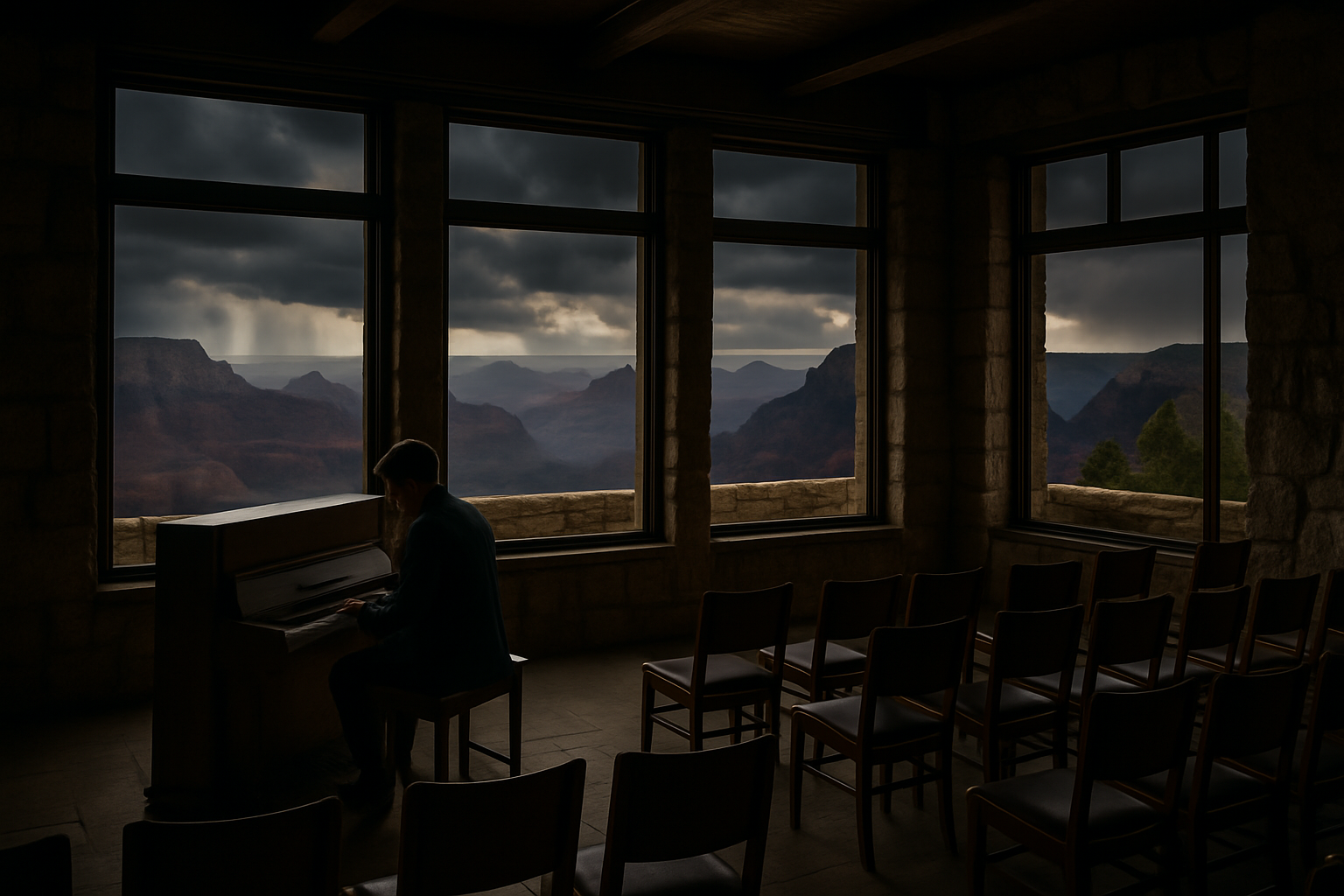
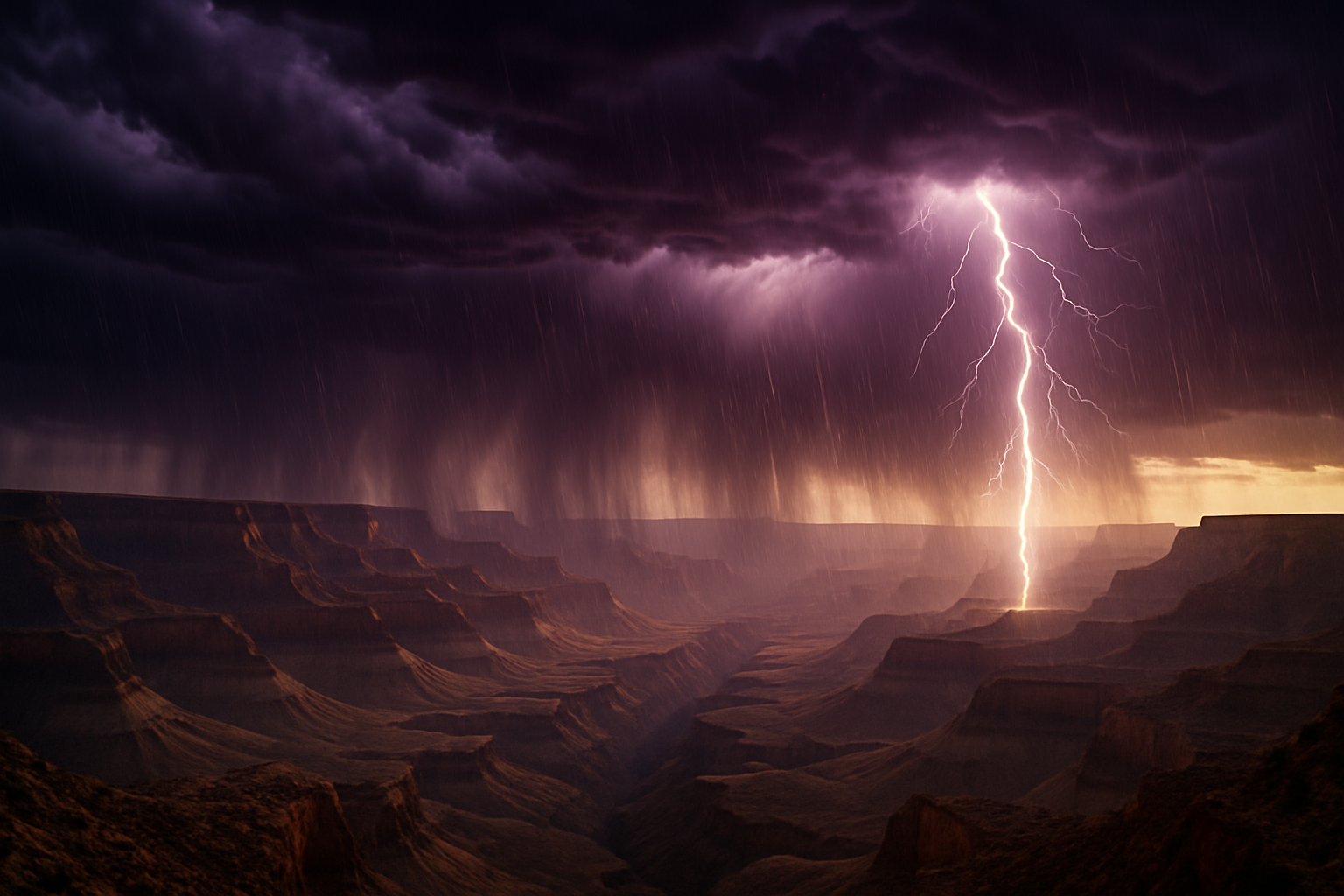
Among the Lodge’s many hidden charms was a nearly forgotten upright piano tucked inside a quiet lecture hall. While tourists gathered outside, I would sneak in and play. Simple, moody melodies filled the space, echoing the grandeur of the canyon just beyond the walls. One stormy evening, as thunder rolled and lightning lit up the horizon, a crowd unknowingly gathered behind me—not for my music, but for the electric beauty beyond the window. Still, the memory is etched in my heart: music, weather, canyon, and communion.
A Painful Goodbye and an Eternal Tribute.
News of the North Rim’s closure and the Lodge’s destruction hit like a gut punch. It wasn’t just the loss of a building—it was the end of an era. That rustic refuge had imprinted itself into the souls of thousands of visitors over the decades. It was a rare blend of wilderness and warmth, of history and heart.
I reached out to Mike, my closest friend from those unforgettable summers on the Kaibab. My message was short but heavy with feeling:
“Dude. It burned. Terrible. Tragic. But damn am I grateful to have shared such sweet times there with you and the gang. Unbelievable privilege. Unbelievable spot. The Lodge is dead, long live the Lodge!”
The Spirit of the Lodge Lives On.
Though the flames have taken the Lodge, its spirit endures. It lives in every photograph, every memory, and every heart that stood on that patio and gasped at the canyon’s immensity. Rebuilding may take years—but what we shared, what that place gave us, is timeless.
Keywords for SEO Integration:
Grand Canyon Lodge fire, North Rim wildfire, Dragon Bravo Fire Arizona, Grand Canyon National Park news, historic Grand Canyon lodge, Grand Canyon Lodge destroyed, Arizona travel loss, national park wildfires, Kaibab Plateau scientists, Grand Canyon architecture, Gilbert Stanley Underwood, North Rim tourism, rustic national park lodges, iconic US lodges lost, Arizona historic landmarks destroyed.
 Français
 English
 العربية
 Italiano
 Deutsch
 Русский