

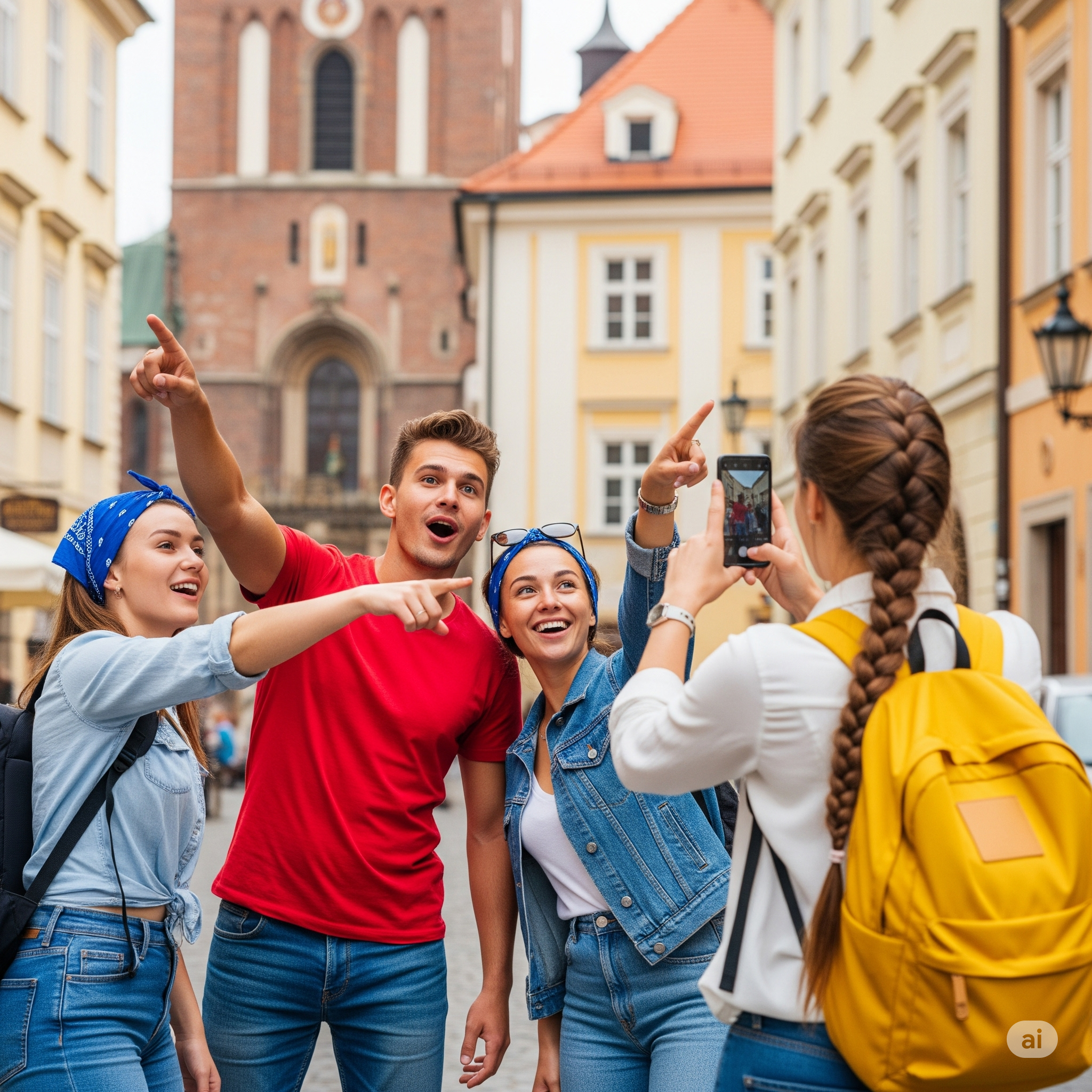
MADRID (Adapted) – Rolling suitcases echo down cobbled lanes. Tourists compete for perfect selfies near centuries-old landmarks. Gelato stands pop up on every corner. Europe may be the world’s cultural heart, but the sheer scale of tourism is beginning to choke its charm.
According to the latest UN World Tourism Barometer, a staggering 747 million international visitors flocked to Europe in the past year—more than any other region on Earth. Over 70% of them flooded into Southern and Western Europe, leading to mounting tensions over what’s now being called an “overtourism emergency.”
✈️ What’s Fueling the Surge?
The explosion in visitor numbers is driven by a mix of ultra-low-cost flights, viral social media travel trends, and the seamless power of AI-based trip planning. On top of that, strong economic performance in wealthy countries like the U.S., China, Japan, and the U.K. means more travelers are packing their bags than ever—especially to hotspots like Venice, Barcelona, and Paris.
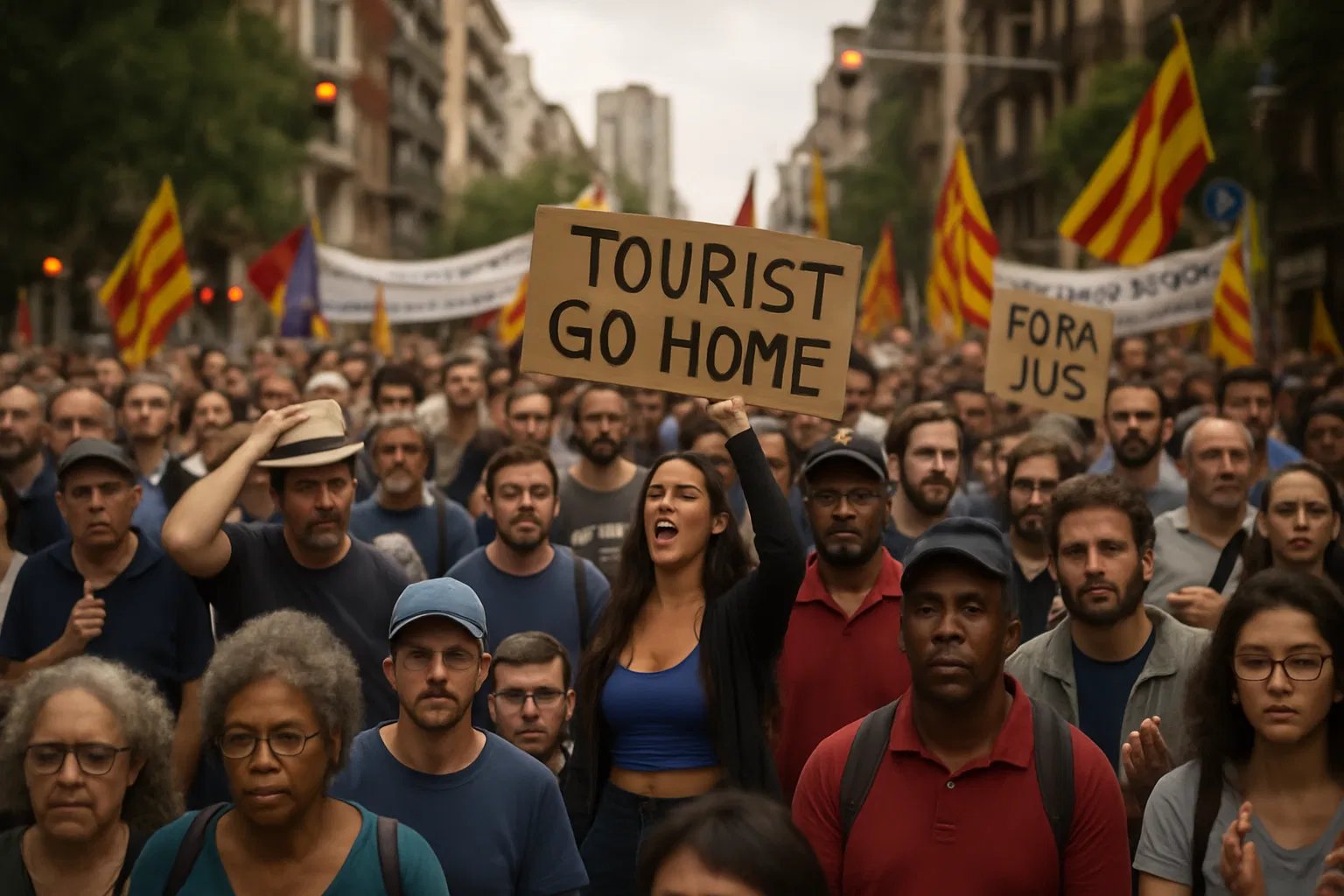
In some tourist-saturated cities, visitors far outnumber local residents, distorting housing markets and straining public services. While some European officials insist that this wave is manageable, others are racing to keep their cities from drowning under the pressure.

🏠 The Hidden Toll on Cities and Citizens
In popular destinations like Rome, Venice, and Capri, residents are watching their cities transform. Historic neighborhoods are being replaced with souvenir shops and international chains. Rents are skyrocketing as short-term rentals flood the market, squeezing out locals.
Spain has made waves by ordering Airbnb to remove over 66,000 listings that breached local regulations. Barcelona, taking a harder line, has announced a plan to eliminate all licensed short-term rentals by 2028, citing the urgent need to preserve housing for permanent residents
💧 Water, Energy, and Environmental Stress
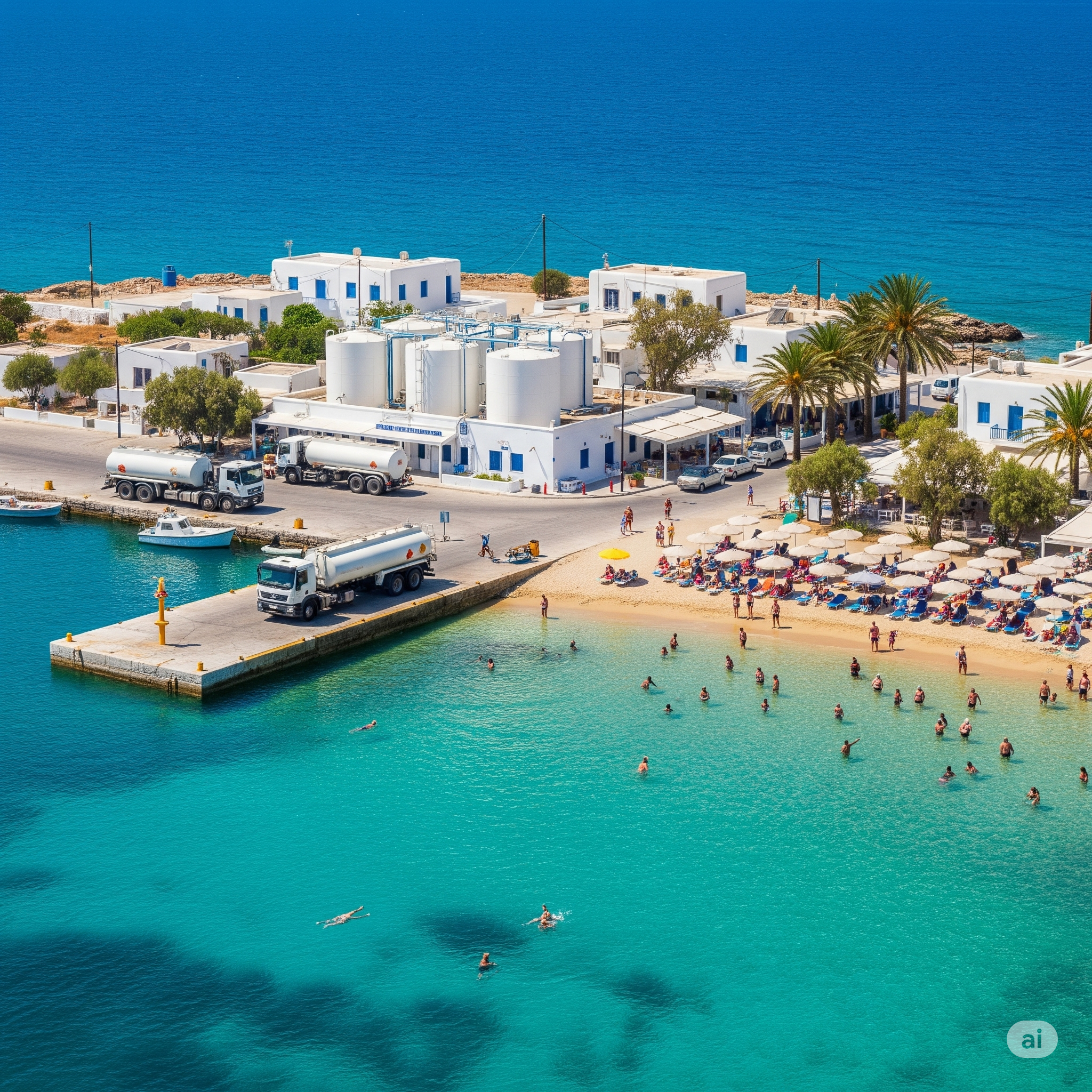
Greece, with a population of just 10.4 million, received almost four times more tourists last year. The result? Severe water shortages, especially in island paradises like Santorini and Mykonos, where demand has overwhelmed infrastructure.
To cope, Greek authorities now deploy desalination units, ship in fresh water from the mainland, and have even begun taxing cruise visitors—€20 for Mykonos, €5 for smaller islands—to support island services and preservation.
🖼️ Cultural Sites Under Siege
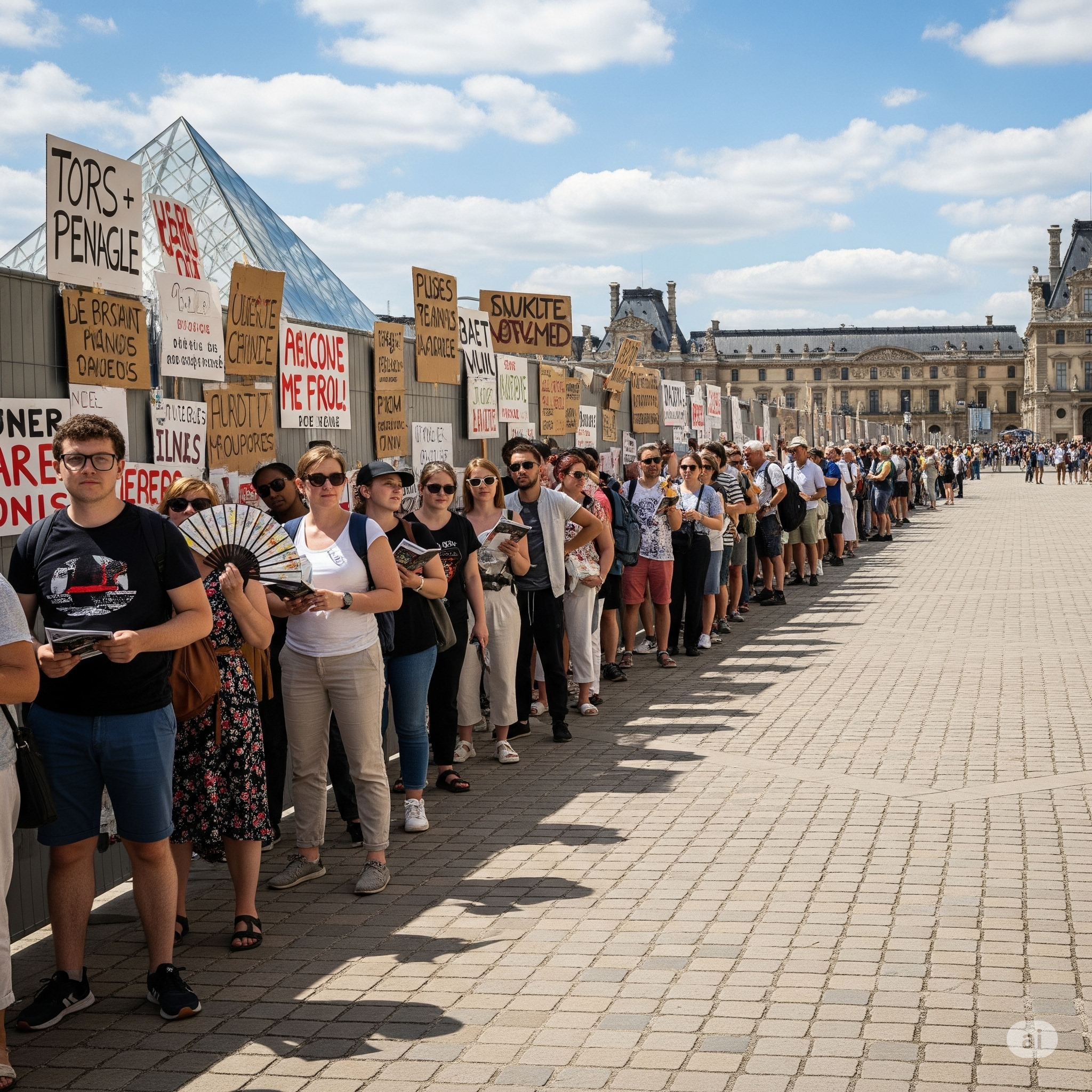
Europe’s iconic landmarks are buckling under the weight of global attention. At the Louvre Museum in Paris, staff went on strike this month, warning that the venue is deteriorating under relentless crowds. In Athens, Greek officials have introduced timed entry slots at the Acropolis to curb overcrowding.
Meanwhile, Venice—long the poster child for tourism pressure—has reinstated an entry fee of €5–10 for day visitors during peak seasons to discourage casual, high-impact travel.
🛠️ How Governments Are Responding
Across Europe, leaders are implementing a range of tactics:
-
Crackdowns on illegal rentals (Spain, France, Italy)
-
Cruise passenger fees and limits (Greece, Croatia, Italy)
-
Encouraging tourism in under-visited regions
-
Smart tech and AI for flow management (Italy’s Tourism Ministry)
-
Public awareness campaigns to promote respectful travel
Italian Tourism Minister Daniela Santanchè argued recently that tourism is not a threat—but an opportunity—if well-managed. By leveraging technology, she believes cities can balance economic gain with quality of life.
Can Europe Reinvent Its Tourism Model?
Tourism is vital to Europe’s economy—but when success turns to excess, the impact is undeniable. Locals are being priced out. Cities are losing their soul. Natural resources are stretched to breaking. Without urgent, innovative action, the very places that make Europe magical could be lost to the pressures of popularity.
The message is clear: it’s time to rethink the way the world travels—before the destinations we love become unlivable.
 Français
 English
 العربية
 Italiano
 Deutsch
 Русский