

As sustainable travel becomes more essential in a post-pandemic world, eco-conscious globetrotters are seeking destinations that balance natural beauty, cultural heritage, and environmental responsibility. From solar-powered safari lodges in Botswana to art-infused Japanese islands, these top travel spots for 2025 have been carefully curated by leading travel experts and sustainability organizations — including the UNWTO, World Travel & Tourism Council, and BBC Travel journalists.
These remarkable locations are not only welcoming visitors but actively using tourism to fund conservation, support local economies, and safeguard their cultural identity. Whether you’re searching for a wildlife immersion in Dominica, hiking adventures in Greenland, or cutting-edge urban culture in Oslo, your next meaningful journey starts here.

🌊 1. Dominica: A Marine Sanctuary for Whale Lovers
Dominica is redefining eco-tourism in the Caribbean. The island recently launched the world’s first sperm whale reserve — a marine-protected area allowing for ethical swimming experiences with these gentle giants. New infrastructure in 2025, including a Roseau Valley cable car to Boiling Lake and expanded flight access from Miami and Newark, makes Dominica more accessible than ever.
Upscale openings like the six-star Hilton Tranquility Beach Resort add nearly 500 new rooms. Dominica is also home to Project CETI, a groundbreaking whale communication initiative. From volcanic trails to farm-to-table dining at Lacou, the island offers a deeply immersive and responsible travel experience.

🎨 2. Naoshima, Japan: An Island of Contemporary Art
Transformed from an industrial zone into an avant-garde haven, Naoshima is the centerpiece of Japan’s Setouchi Triennale. The Naoshima New Museum of Art opens in spring 2025, designed by Tadao Ando, showcasing Asian contemporary artists. Nearby islands Teshima and Inujima also feature art installations, eco-architecture, and boutique ryokans like Roka. The region offers a perfect blend of creativity, tranquility, and sustainability.

🏔️ 3. The Dolomites, Italy: Olympic Buzz and Alpine Charm
With the 2026 Winter Olympics approaching, northern Italy’s Dolomites are undergoing massive upgrades, including enhanced public transport and modernized ski lifts. Visit during warmer months to hike the new 170km Cammino Retico trail or unwind at the reimagined Aman Rosa Alpina hotel. The Dolomites are a four-season destination with striking scenery, world-class cuisine, and authentic village culture.

❄️ 4. Greenland: Arctic Beauty Meets Accessibility
Greenland is now easier to reach, thanks to a new international airport in Nuuk and two more slated for 2026. Experience glamping beneath the aurora, or kayak among icebergs in Ilulissat. As climate change accelerates, Greenland remains a fragile paradise embracing sustainable tourism through local law and community-focused initiatives.
🏰 5. Wales: Year of Croeso and Coastline Adventures
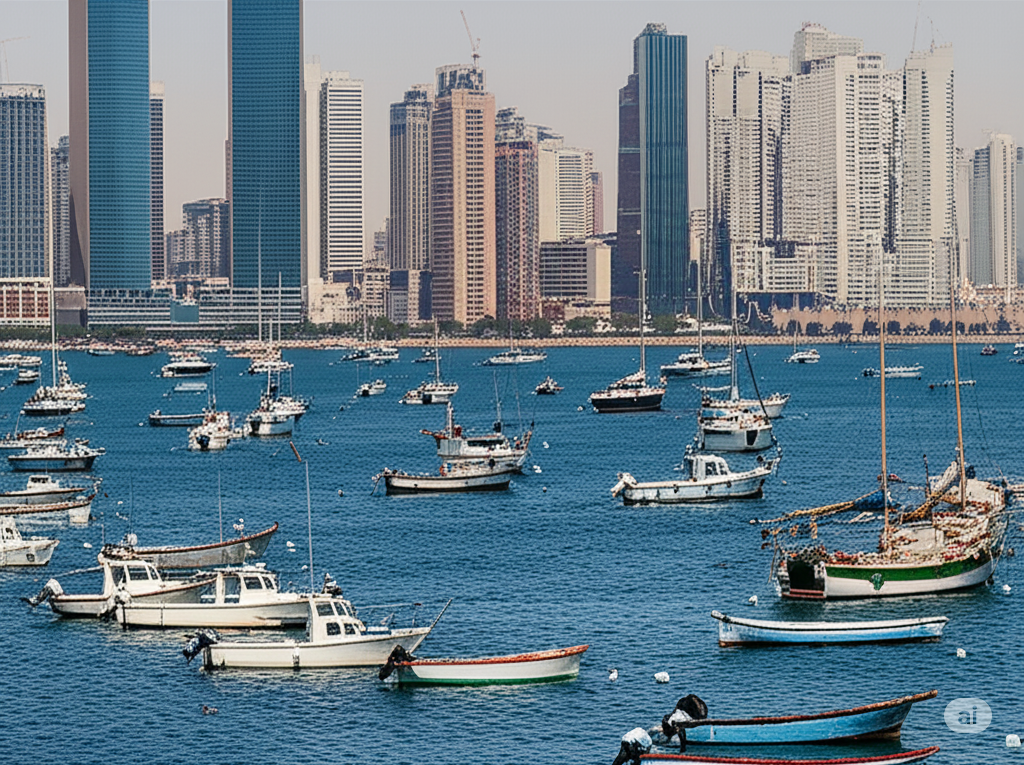
In 2025, Wales celebrates the “Year of Croeso” (Welcome), inviting travelers to explore its national parks, medieval castles, and the 1,400km-long Wales Coast Path. As a leader in eco-tourism, Wales is investing in green infrastructure and accessibility — including all-terrain mobility bikes — to make adventure more inclusive.

🏞️ 6. Western Newfoundland & Labrador, Canada: Wilderness Reborn
Canada’s final stretch of the Trans-Labrador Highway opens in 2025, unlocking access to jaw-dropping natural sites like Gros Morne National Park and Red Bay UNESCO site. A $180 million investment supports eco-tourism while honoring Indigenous heritage and archaeological treasures.

🌵 7. Tucson, Arizona, USA: Gastronomy and Heritage
Celebrating 250 years in 2025, Tucson blends Native American and Mexican cultures with its UNESCO City of Gastronomy status. Explore ancient agricultural lands, sample desert-grown chilies, and visit sustainability-certified restaurants or the Presidio Festival. It’s where culinary history meets community resilience.

🐋 8. Western Australia: Epic Road Trips and Indigenous Tours
From pink lakes and whale sharks to Aboriginal coast foraging tours, Western Australia offers unparalleled biodiversity. The world’s longest EV highway (6,600km) and new initiatives like the A$20 million Jina Aboriginal Tourism Action Plan make it a must-visit for sustainable travelers in 2025.
🏝️ 9. Sri Lanka: Resilience and Revival
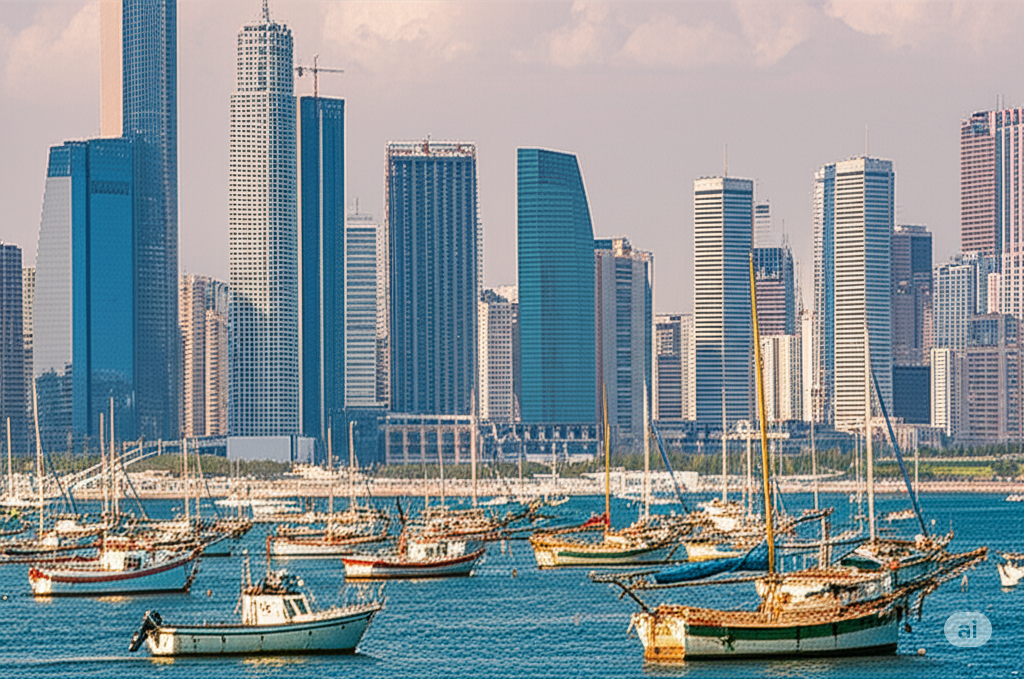
Sri Lanka is rising again with new luxury resorts, sustainable initiatives like the Good Travel Seal, and community-focused tuk tuk travel options. Hike the Pekoe Trail, ride the famed hill country train, or sip volcanic arrack cocktails in Galle. The island balances recovery with authentic, responsible tourism.
🌿 NEW: Colombia’s Coffee Region – The Green Heart of South America
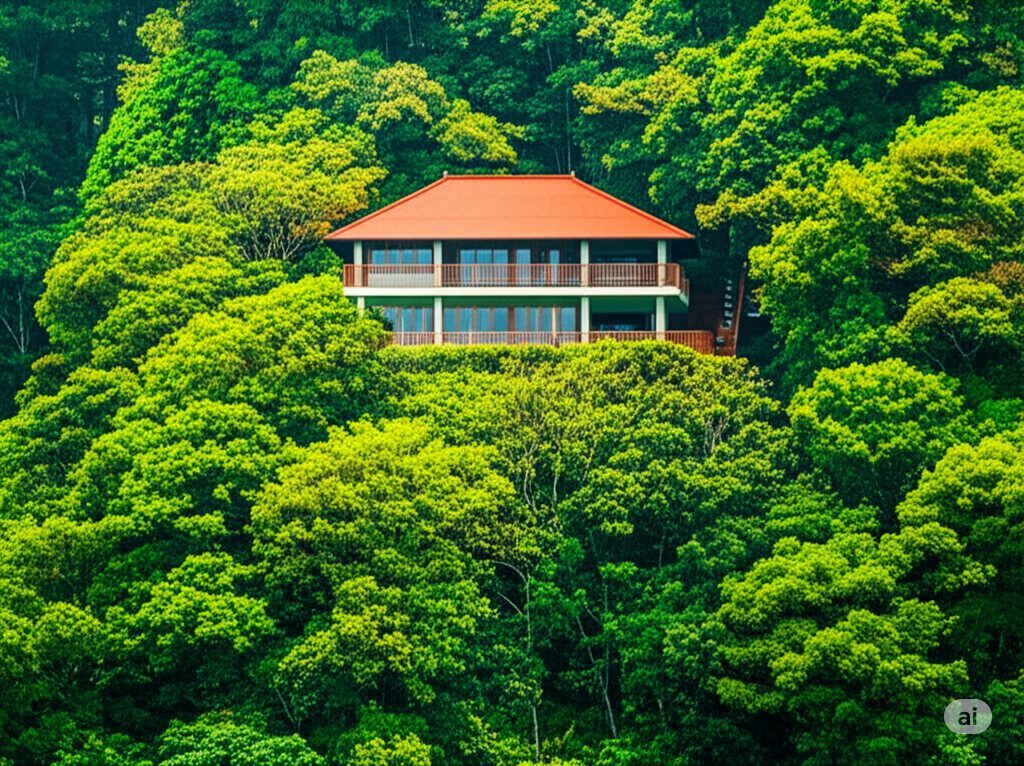
In 2025, Colombia’s Coffee Cultural Landscape is drawing global attention not just for its UNESCO designation, but for becoming a sustainability model in South America. Home to eco-conscious fincas (farms), cloud forest trekking, and fair-trade coffee cooperatives, the region’s colorful towns like Salento and Filandia welcome travelers seeking slow travel and cultural immersion. A wave of boutique ecolodges now offer carbon-neutral stays, while national parks like Los Nevados promise glacier hikes and rare bird sightings. Colombia’s government has also partnered with USAID to train locals in regenerative tourism practices, aiming to protect the Andes’ biodiversity for future generations.
 العربية
 English
 Italiano
 Deutsch
 Русский
 Français