

Discover the Hidden Wonders of Algeria’s Sahara Desert.
The Algerian Sahara, one of the world’s most awe-inspiring desert regions, covers an astonishing 800,000 square miles — over 80% of the entire country. Despite common perceptions, only a quarter of this vast expanse is covered in sand dunes. The rest is an extraordinary blend of volcanic highlands, sculpted sandstone cliffs, and rocky plateaus. This desert landscape offers not just natural beauty, but a window into ancient cultures and lifestyles that have remained largely unchanged for centuries.
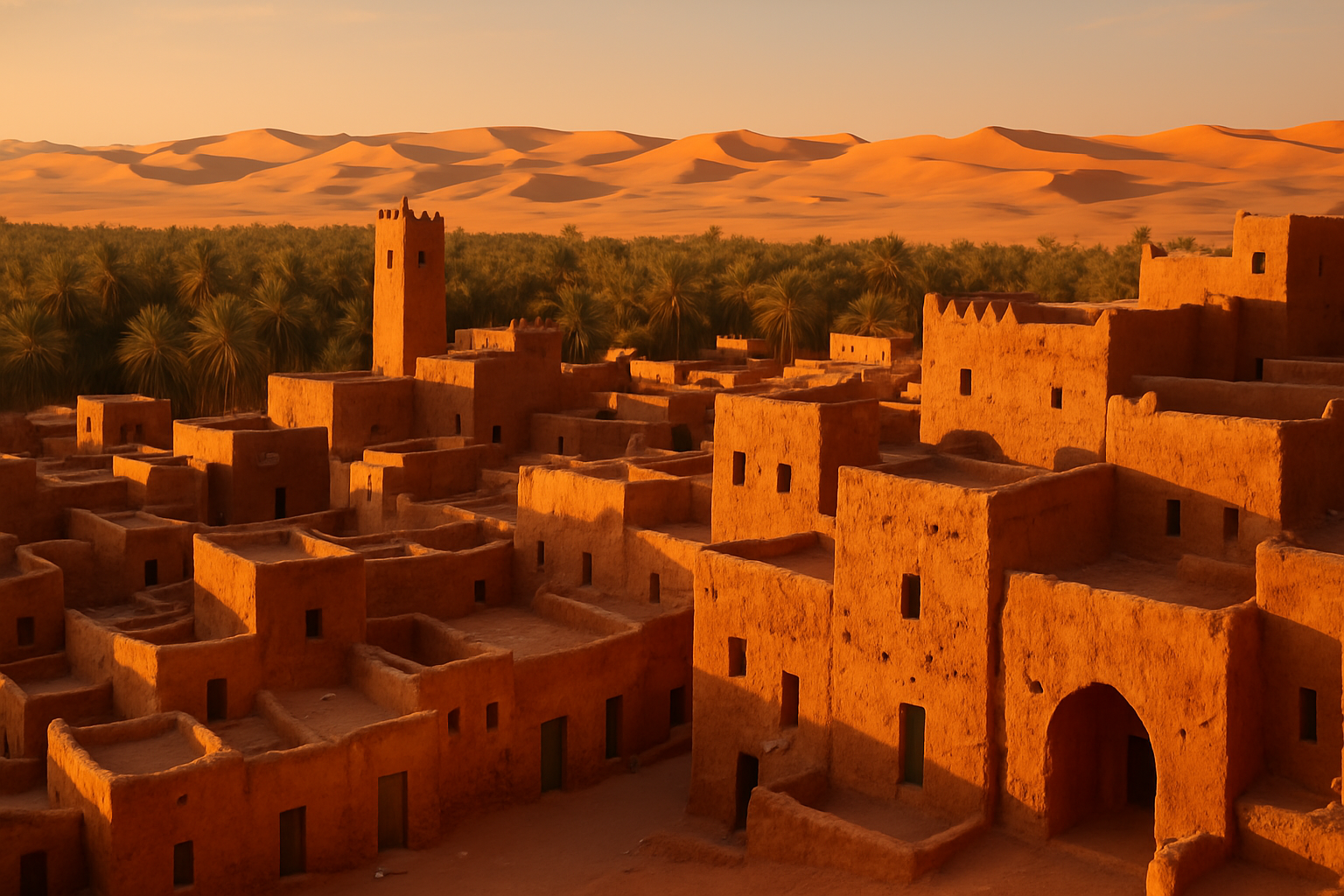
Timimoun: The Red Jewel of the Desert.
One of the most captivating destinations in Algeria’s Sahara is Timimoun, often referred to as La Rouge for its striking red-ochre architecture. Nestled along the edge of a 23,000-square-mile sand sea, this oasis town is renowned for its distinctive mud-brick buildings. The red hue of the town is more than just visual — locals say it symbolizes blood, a deep-rooted connection to the land, and a shared identity shaped by desert life.
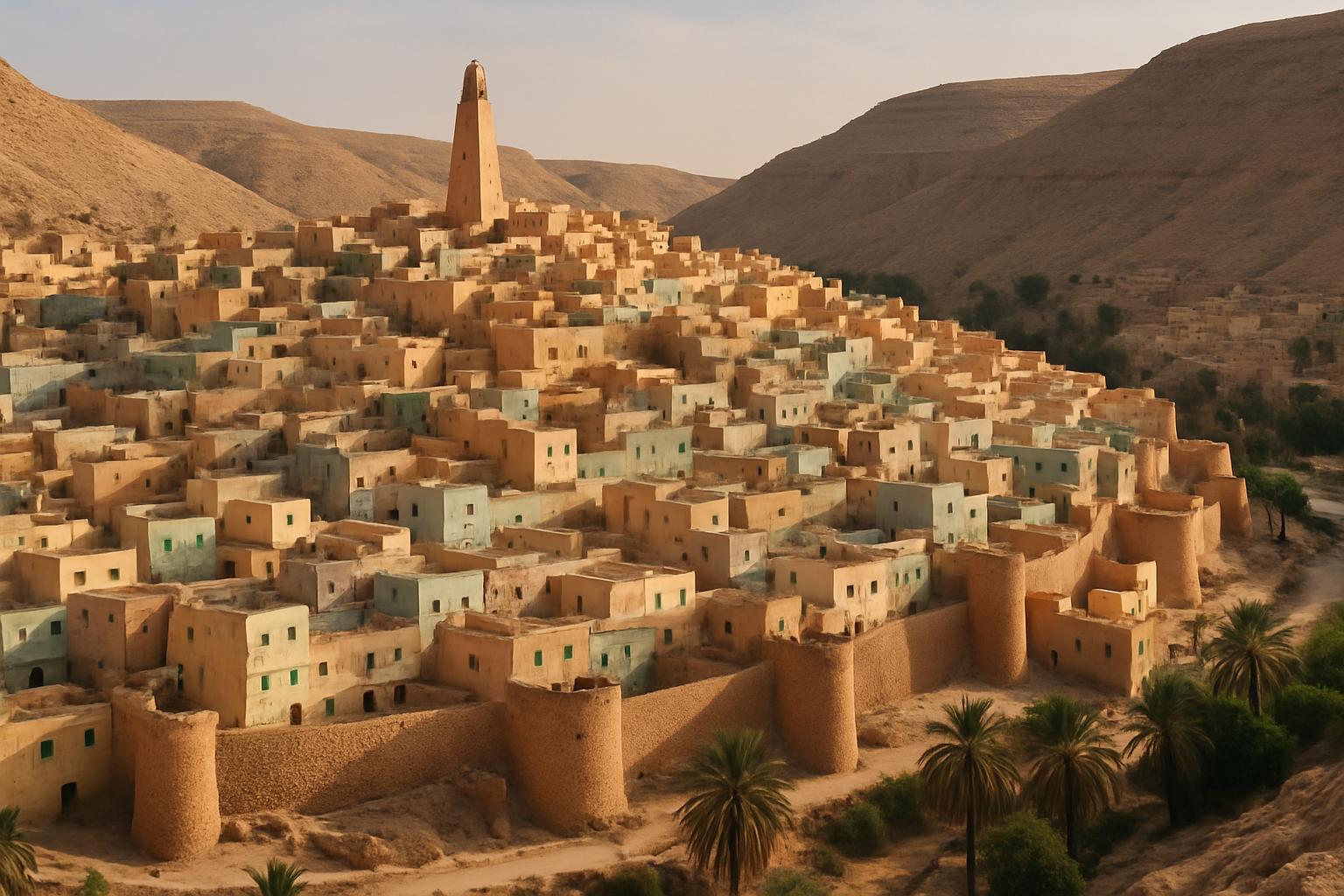
M’Zab Valley: A Living UNESCO Heritage.
Traveling further north, the M’Zab Valley unveils a fascinating cultural and architectural marvel. This UNESCO World Heritage Site is home to five fortified towns known as ksour, famous for their pastel-hued homes and remarkable preservation. Since the 11th century, the inhabitants of M’Zab have maintained their way of life and building traditions — a testament to resilience and cultural pride in the face of time and climate.
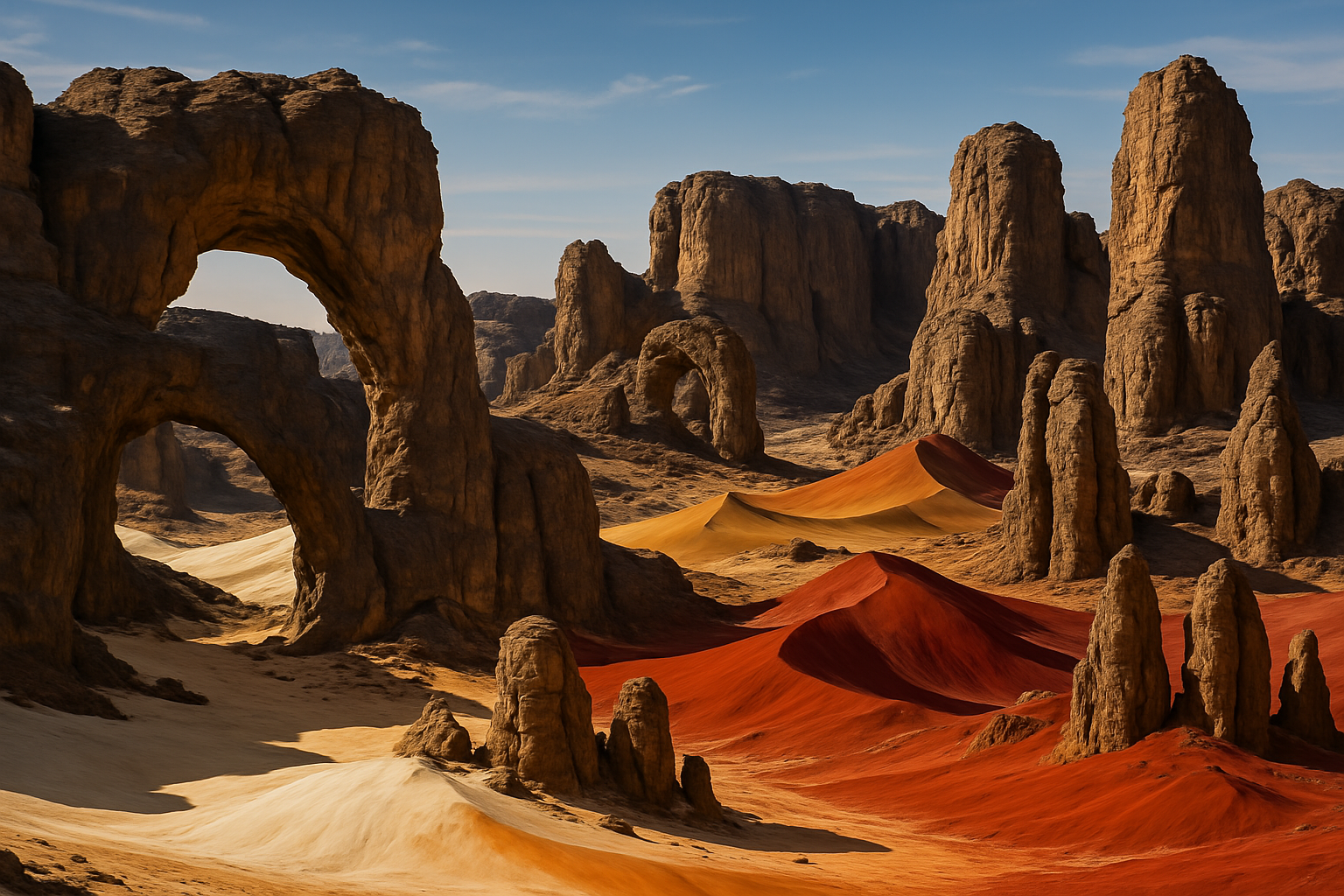
Tassili N’Ajjer: A Desert Sculpted by Time
No journey through the Algerian Sahara is complete without exploring Tassili N’Ajjer National Park, a surreal, lunar-like landscape best accessed by foot or 4×4. Towering natural arches, labyrinths of stone, and dunes in vivid hues of white, gold, and terracotta-orange create an almost otherworldly setting. Here, erosion from wind, water, and extreme temperatures has carved some of the planet’s most unique geological formations.
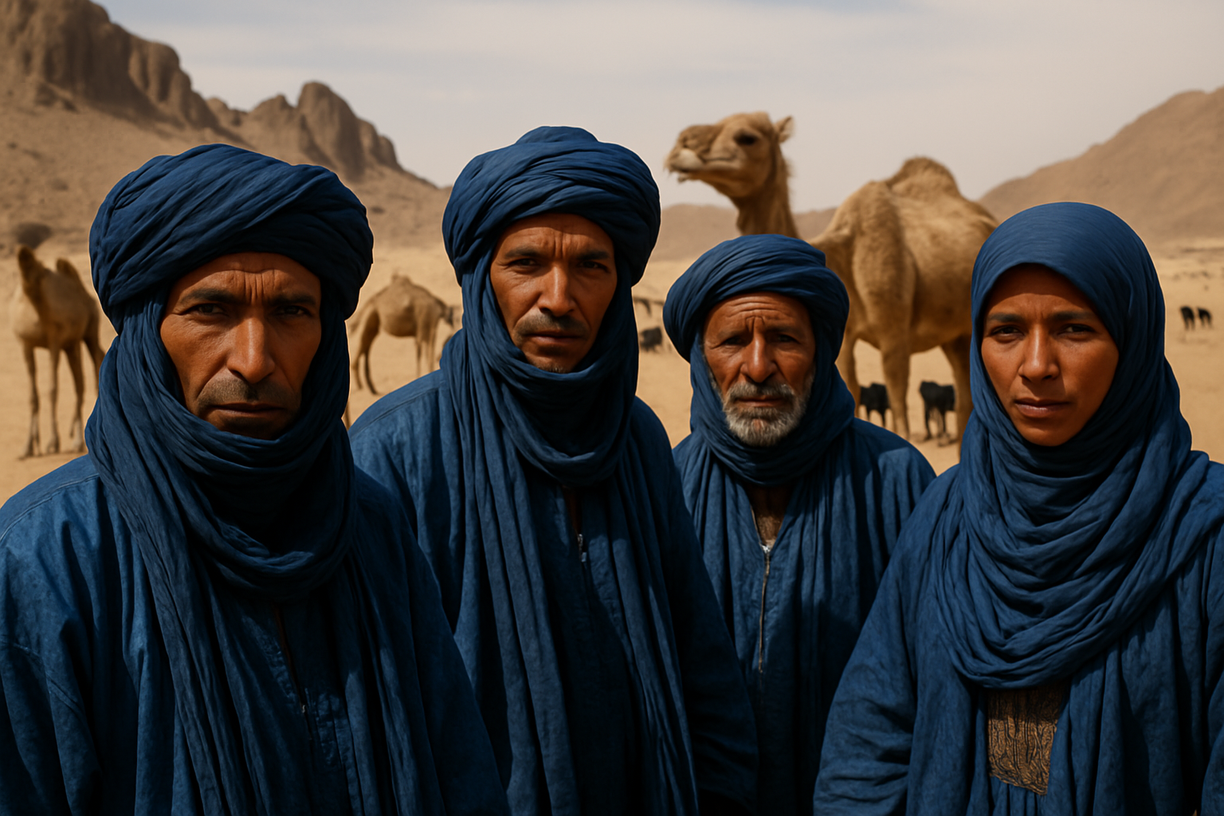
Tuareg Nomads: Keepers of the Desert.
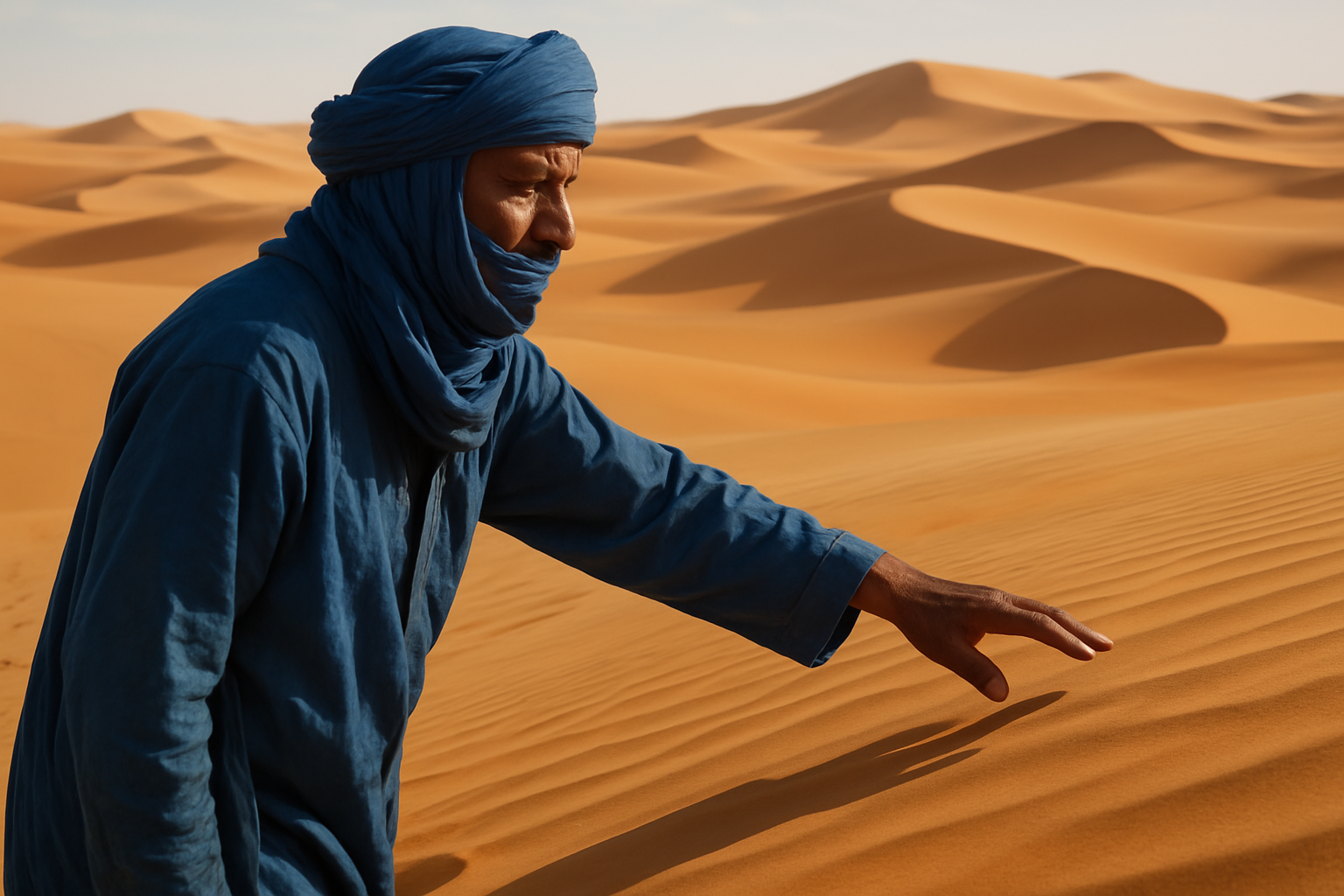
Southern Algeria is also the spiritual homeland of the Tuareg, a proud, semi-nomadic people known for their deep knowledge of the desert. Dressed in their traditional indigo tagelmoust headscarves, the Tuareg are more than guides — they are the guardians of centuries-old knowledge passed down through generations. As local guide Tito Khellaoui explains, “We are born with sand in our eyes. We can read the desert, its colors, its textures, and its secrets. It’s in our blood.”
Ancient Rock Art: The Sahara’s Silent Storyteller.
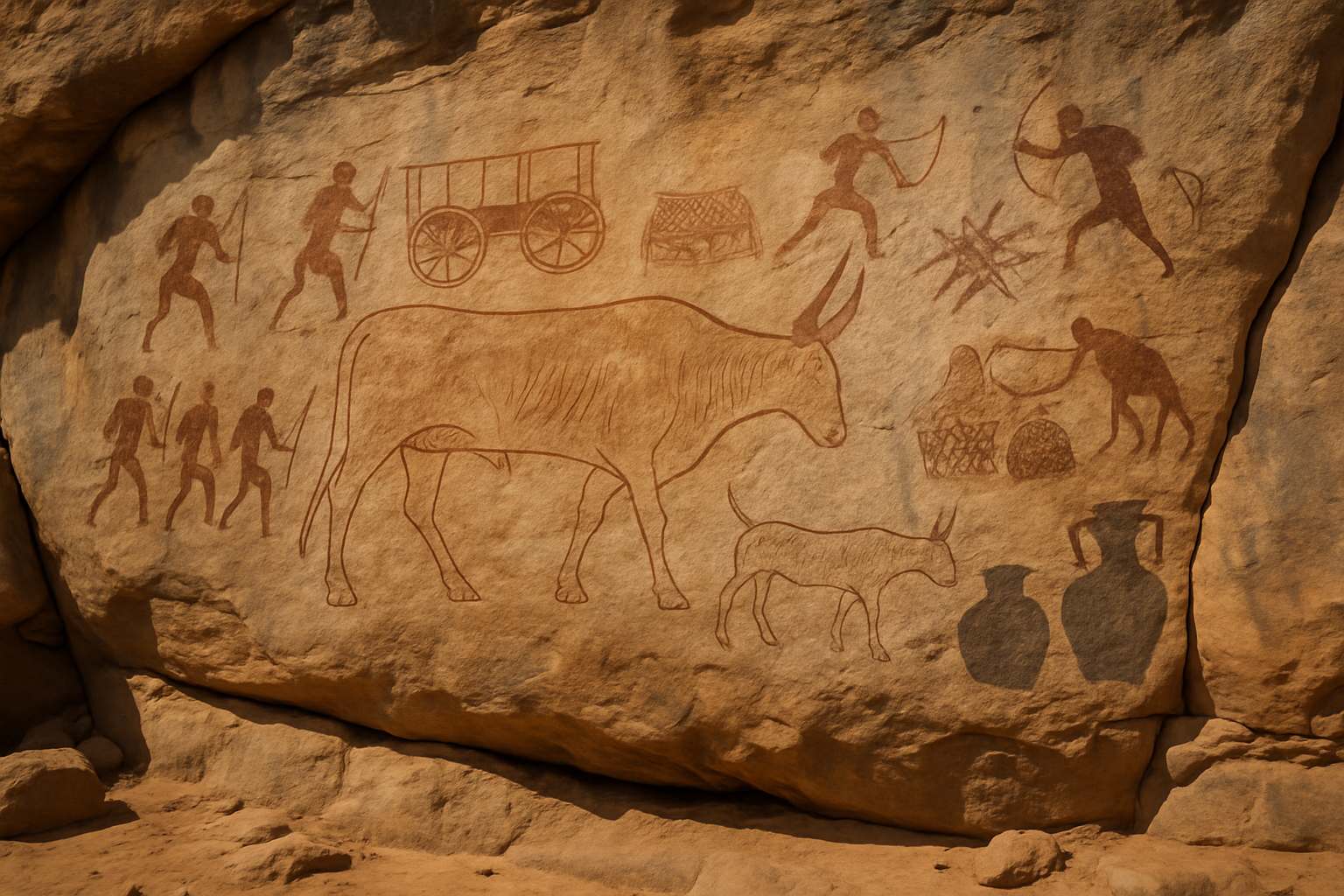
Tassili N’Ajjer is home to over 15,000 ancient rock engravings and pictographs, some dating back more than 10,000 years. These artworks offer a glimpse into a time when the Sahara was a lush savannah teeming with wildlife like giraffes, elephants, and lions. They also document the evolution of human life in this region — from hunter-gatherer societies to pastoralist tribes.
The Call of the Desert.
Even today, many Tuareg who migrate to cities eventually feel an irresistible pull to return to the silence and vastness of the desert. The Sahara is more than just a place — it’s a presence, a way of life. Travelers often leave Tassili N’Ajjer with a profound sense of connection, echoing the Tuareg sentiment: “The desert always calls you back.”
Keywords for SEO Optimization:
Despite its immense beauty and cultural richness, Algeria’s Sahara Desert remains one of North Africa’s most underrated travel destinations. With fewer crowds than neighboring Morocco and a more authentic, untouched atmosphere, it offers a perfect escape for travelers seeking solitude, history, and raw natural beauty. Adventure tourism is on the rise, with eco-tours, guided 4WD expeditions, and cultural immersion trips led by local Tuareg guides becoming increasingly popular. From stargazing in the dunes of Timimoun to hiking through ancient canyon trails in Tassili N’Ajjer, Algeria is positioning itself as a must-visit destination for desert tourism, photography, and cultural exploration.
 English
 العربية
 Italiano
 Deutsch
 Русский
 Français